
As temperatures drop across Bensalem and the greater Philadelphia region, many homeowners start thinking about winterizing their homes. One question that comes up every year is whether or not you should cover your outdoor air conditioning unit during the cold months. It seems like a logical step — after all, you cover your grill, your patio furniture, and your garden plants. But the answer when it comes to your AC condenser is not as straightforward as you might think. In fact, covering your unit the wrong way can actually cause more harm than good.
How Your Outdoor AC Unit Is Built to Handle the Elements
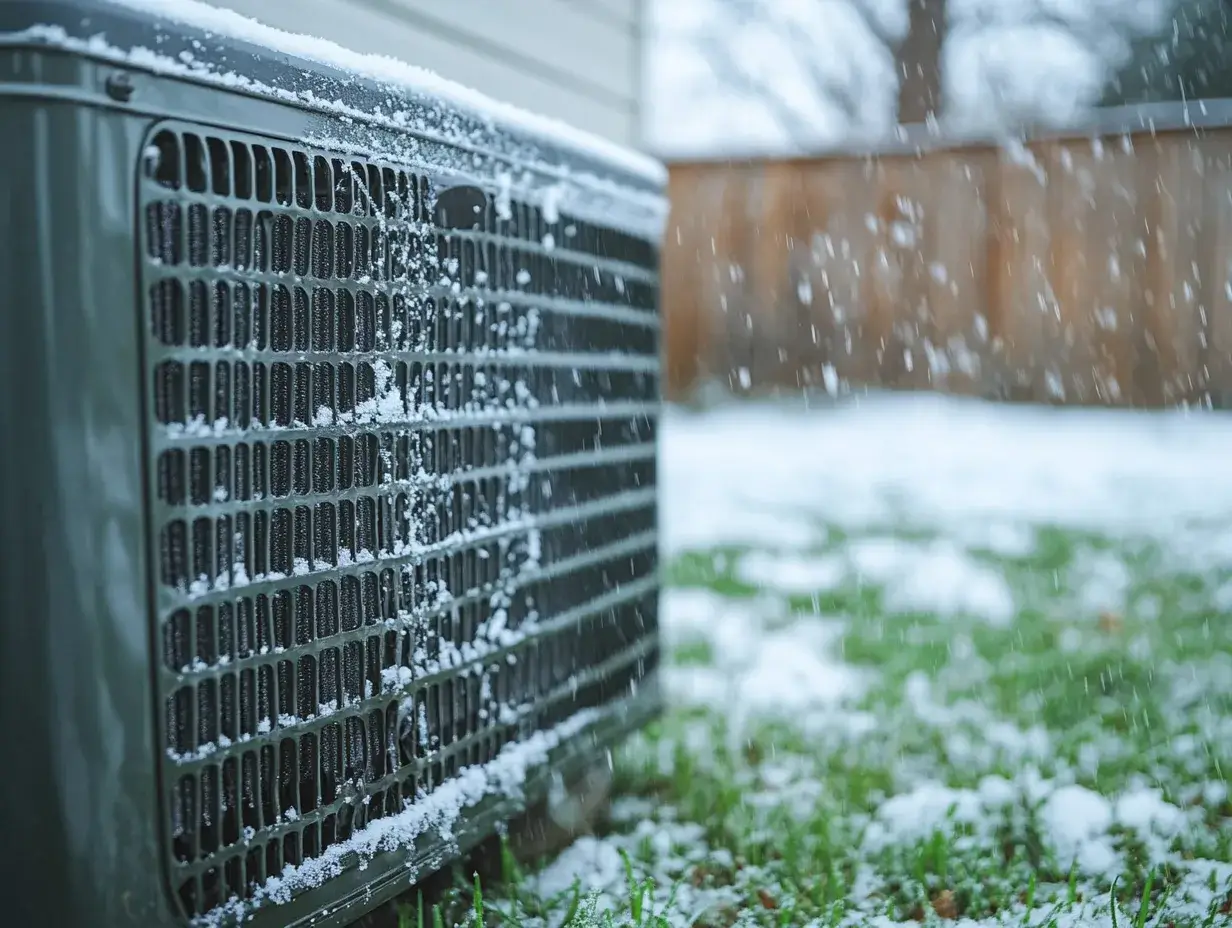
Before diving into the pros and cons, it helps to understand what your outdoor unit is designed to withstand. Air conditioning condensers are engineered to sit outside year-round. The cabinet is made from weather-resistant materials, typically galvanized steel or aluminum, with a protective coating designed to resist rain, snow, sleet, and UV exposure. The internal components — including the compressor, condenser coil, and fan motor — are built to tolerate moisture and temperature fluctuations that come with being permanently exposed to the outdoors.
Manufacturers design these units with the understanding that they will endure every season without additional protection. That said, there are specific winter conditions that can create problems for your equipment, and understanding those situations is the key to making an informed decision about whether covering makes sense for your home.
The Case for Covering: Potential Benefits
There are a few legitimate reasons why some homeowners choose to provide limited protection for their outdoor AC unit during the winter months. While full-body covers are generally not recommended, targeted protection can offer some genuine advantages in certain climates and conditions.
Protection from Falling Debris and Ice
If your condenser sits beneath trees, a roof overhang, or any structure where ice, branches, acorns, or heavy leaf fall is common, a top-only cover or plywood shield placed on top of the unit can help prevent physical damage. Large icicles dropping from a gutter line can dent fan blades or damage the protective grille. Heavy accumulations of wet leaves inside the unit can trap moisture against internal components and promote corrosion over time. A simple top cover addresses these risks without creating the airflow problems associated with wrapping the entire unit.
Keeping Out Snow and Freezing Rain
In areas that experience heavy snowfall or frequent ice storms, snow and ice can accumulate inside the condenser cabinet and sit against the coil fins for extended periods. While occasional snow exposure is not a problem, prolonged contact with packed ice can cause minor cosmetic damage to the aluminum coil fins over repeated freeze-thaw cycles. A top cover deflects the majority of precipitation away from the internal components while still allowing air to circulate freely around the sides of the unit.
Preventing Small Animal Nesting
During winter, small animals like mice, chipmunks, and even snakes seek warm, sheltered spaces to ride out the cold. An idle air conditioner with its open grille and internal cavities can look like an attractive shelter. Animals nesting inside your condenser can chew through wiring, leave behind droppings and nesting materials, and cause significant damage that only becomes apparent when you start the system in the spring. A breathable mesh cover or top-only shield can deter animals from making your AC unit their winter home.
The Case Against Covering: Real Risks and Problems
While the benefits of limited covering are real, fully wrapping or sealing your outdoor AC unit creates a set of problems that most HVAC professionals consider far worse than any winter weather exposure. Here is what can go wrong when a condenser is covered improperly.
Moisture Trapping and Accelerated Corrosion
This is the single biggest risk of covering your AC unit. A full cover — whether it is a tarp, a fitted vinyl cover, or a plastic sheet — traps moisture inside the unit. Even during winter, temperature fluctuations cause condensation to form on metal surfaces. Without open airflow to allow that moisture to evaporate, it sits against the coil, electrical connections, and other metal components for weeks or months at a time. The result is accelerated rust and corrosion that can shorten the lifespan of your equipment far more than winter weather ever would.
Mold and Mildew Growth
A dark, enclosed, damp environment is the perfect breeding ground for mold and mildew. When you seal your condenser under a cover, you create exactly those conditions. Mold can grow on internal surfaces, inside drainage channels, and around electrical components throughout the winter. When you fire up the system in the spring, that mold can be circulated into your ductwork and ultimately into the air your family breathes. This is a particular concern for households with members who have asthma, allergies, or other respiratory conditions.
Creating an Ideal Animal Habitat
While a breathable cover or top shield can deter animals, a full cover that wraps down to the ground actually does the opposite. It creates a dark, wind-protected, enclosed space that is even more inviting to rodents, insects, and other pests than an uncovered unit. Once animals get underneath a full cover, they are sheltered from predators and the elements, making your condenser the perfect winter nesting site. The damage from animal activity — chewed wires, blocked components, corrosive waste — can result in expensive repairs come spring.
Risk of Accidental Operation
In the Philadelphia area, winter temperatures can swing dramatically. An unseasonably warm day in January or February might trigger your heat pump or AC system to kick on if the thermostat is set to auto-cool or if someone manually adjusts it. If the unit is fully covered when this happens, the system will overheat due to completely restricted airflow. This can cause serious damage to the compressor and other components, potentially resulting in a repair bill that far exceeds the cost of any winter weather damage the cover was meant to prevent.
Voiding Manufacturer Warranties
Some AC manufacturers explicitly state in their warranty documentation that full covers are not recommended and that damage resulting from improper covering is not covered under warranty. Before wrapping your unit, it is worth checking your owner’s manual or contacting the manufacturer to make sure you are not unknowingly putting your warranty at risk.
What HVAC Professionals Actually Recommend

The majority of HVAC technicians and equipment manufacturers agree on a balanced approach: do not fully cover your AC unit, but do take sensible steps to protect it from specific winter hazards. Here is what the professionals recommend.
If you want to provide protection, use a top-only cover or a piece of plywood secured on top of the unit to deflect falling debris, ice, and heavy snow. This shields the most vulnerable area — the fan and top grille — while leaving the sides completely open for airflow and moisture evaporation. Make sure whatever you place on top is secured so it does not blow off in winter storms.
Keep the area around your unit clear throughout the winter. Brush off heavy snow accumulation after storms, remove any leaves or debris that pile up against the sides, and make sure nothing leans against or blocks the unit. Trim back any branches that overhang the condenser and could drop ice or limbs during winter storms.
Schedule a professional fall maintenance visit before you shut your system down for the winter. A technician can clean the condenser coil, inspect components for wear, check refrigerant levels, and ensure everything is in good condition going into the off-season. This way, when spring arrives, your system is ready to go without any unpleasant surprises.
Seasonal Transition: Preparing Your AC for Spring
When warmer weather returns, take a few minutes to prepare your outdoor unit before running it for the first time. Remove any top cover or plywood you placed during winter. Visually inspect the unit for signs of animal activity, physical damage, or debris accumulation. Clear away any leaves, twigs, or dirt that may have collected around or inside the unit over the winter months.
Check that the area around the condenser is still clear — at least two feet on all sides — and that vegetation has not grown up around it during the early spring. Gently rinse the condenser coil with a garden hose to remove surface dirt and pollen. Before turning on the system, switch the thermostat to cooling mode and let the unit run for a few minutes while you check that it starts smoothly, the fan spins freely, and cool air begins to flow inside.
If anything seems off — unusual noises, vibrations, a burning smell, or the system failing to start — turn it off and call a professional before continuing to use it. Running a damaged system can turn a minor issue into a major and expensive repair.
The Bottom Line
Your outdoor air conditioning unit is tougher than you might think. It is designed to live outside through every season, including harsh Pennsylvania winters. Fully covering it with a tarp or fitted cover does more harm than good in most cases, trapping moisture, encouraging mold, attracting pests, and risking accidental damage. A simple top-only shield to deflect ice and debris, combined with basic winter housekeeping, is all most units need to come through the cold months in excellent condition.
Region Home Services has been helping homeowners in Bensalem, PA, and the surrounding areas protect their HVAC investments for nearly 50 years. Whether you need fall maintenance to prepare your system for winter, a spring tune-up to get it ready for the cooling season, or expert advice on how to care for your specific equipment, our team is here to help. Call us at 215-639-0424 or contact us online to schedule your appointment today.

6 Responses