The best way to finance a new HVAC system depends on more than the monthly payment you see in a promotional offer. Homeowners usually need to balance several factors at the same time, including the total project cost, the urgency of replacement, their credit profile, and how long they plan to stay in the home. For some people, contractor financing is the easiest route because approval and installation can happen quickly. For others, a personal loan or home equity product may offer better long-term value. Before choosing any financing option, it helps to understand whether you truly need a full replacement or whether an overall system check may reveal a more affordable path. The smartest financing choice is usually the one that supports comfort, fits your budget, and keeps the total borrowing cost manageable over time.
Understanding the Cost of a New HVAC System
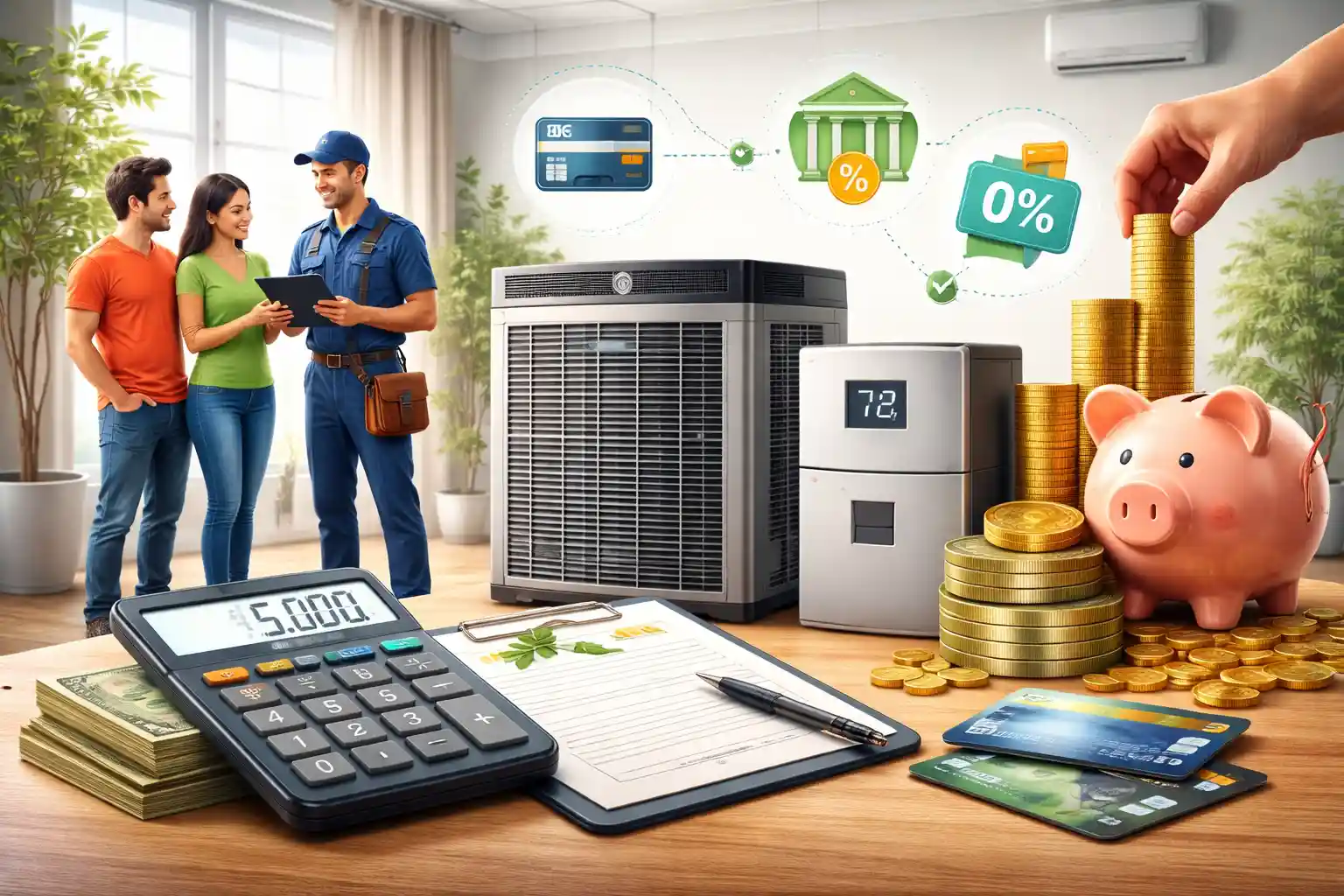
The cost of a new HVAC system can vary widely because every home has different heating and cooling needs. The final price is often influenced by the type of equipment being installed, the size of the home, energy-efficiency ratings, ductwork condition, thermostat upgrades, labor requirements, and local permitting. A straightforward replacement may cost much less than a project that includes airflow corrections, electrical adjustments, or updated indoor and outdoor components. That is why homeowners should avoid making financing decisions based on national averages alone. A realistic budget starts with understanding what is actually included in the job and whether the proposed system is properly sized for the home rather than simply focusing on the equipment sticker price.
It is also important to separate the cost of a new system from the ongoing cost of keeping an aging one alive. Older equipment may still run, but frequent breakdowns, uneven temperatures, poor airflow, and rising utility bills can quietly make ownership more expensive year after year. In many situations, homeowners hesitate to replace a system because the upfront investment feels intimidating, even when repeated repairs are becoming a financial drain. Looking at total ownership cost can make the decision much clearer. Once you compare repair frequency, energy waste, warranty protection, and long-term reliability, financing a replacement may start to look less like an extra expense and more like a structured way to solve a growing problem.
Getting an HVAC Estimate
A reliable HVAC estimate should begin with an in-home evaluation rather than a rough quote given over the phone. A contractor needs to assess the square footage of the home, the age and condition of the current system, insulation performance, airflow issues, ductwork condition, and the specific comfort concerns the homeowner is experiencing. Without that step, it is easy to recommend equipment that is either oversized, undersized, or poorly matched to the property. A proper estimate also gives the homeowner a chance to ask whether the project is a simple replacement or whether a new cooling setup would involve additional work that changes the total budget.
Homeowners should also ask for a detailed written quote instead of a single total number. A line-item estimate makes it easier to understand whether the proposal includes equipment, labor, removal of the old system, thermostat upgrades, permits, warranty details, and any adjustments to ductwork or electrical connections. This matters because financing decisions are easier when the scope is clear and there are fewer surprises after the work starts. A low quote that omits important items can become more expensive than a higher quote that includes everything from the beginning. Transparency helps you compare offers fairly and choose financing based on the real project cost rather than an incomplete number.
Comparing at least two or three estimates is often one of the smartest steps in the process, especially for a major replacement. Homeowners should look beyond price and evaluate equipment efficiency, labor quality, warranty coverage, project timeline, and the contractor’s explanation of why a specific system was recommended. The cheapest option is not always the best one if it does not address comfort issues or if the financing terms are weak. A strong estimate should make the project understandable, justify the proposed solution, and give you enough information to evaluate your payment options with confidence. When you know exactly what is being installed and why, choosing how to finance it becomes much more straightforward.
Best Ways to Pay for a New Air Conditioner, Heat Pump, or Furnace
There is no single payment method that works best for every homeowner, which is why it helps to compare the most common financing paths side by side. Many people choose contractor financing because it is convenient and often tied directly to the installation process. Others prefer personal loans because they offer fixed payments without using the home as collateral. Home equity loans and HELOCs may make sense for larger projects when a lower interest rate matters more than fast approval. Some homeowners also consider credit card promotional offers for smaller balances, although those plans require careful payoff timing. If you are preparing for a full cooling upgrade, the best method usually comes down to urgency, approval requirements, and how much the loan will actually cost over the full repayment period.
| Payment Option | Best For | Main Benefit | Main Watch-Out |
| HVAC company financing | Fast approvals and quick replacements | Convenient process tied to installation | Deferred interest or limited lender choices |
| Personal loans | Borrowers who want fixed payments | No home equity required | Higher APR for lower credit profiles |
| Home equity loan / HELOC | Larger projects with longer terms | Potentially lower rates | Your home is used as collateral |
| Credit card promo financing | Smaller balances paid off quickly | Possible short-term low or 0% APR | High rate after the promotional period |
Is Financing a New HVAC System the Right Choice?
Financing a new HVAC system can be the right choice when replacement is necessary but paying the entire cost upfront would strain your budget or drain your emergency savings. This is especially true when a system fails during extreme weather, when repair bills are stacking up, or when an older unit has become unreliable and inefficient. In those situations, financing can help a homeowner move forward with a better long-term solution instead of spending more money on short-term fixes that do not last. It can also make sense when an upgrade improves comfort, lowers utility costs, and reduces the risk of additional breakdowns. Used carefully, financing can turn a large and stressful purchase into a manageable monthly obligation.
At the same time, financing is not automatically the best answer in every case. If the equipment problem is minor, if the homeowner has enough cash reserves to cover the job comfortably, or if a system still has several useful years left, borrowing may not be necessary yet. Sometimes a strong preventive service plan can help extend equipment life and create time to plan for replacement more strategically. The key is to avoid making a rushed financing decision based only on fear or inconvenience. You should compare the cost of waiting, the cost of continued repairs, and the full repayment amount of any financing offer before deciding whether borrowing supports your long-term financial and comfort goals.
HVAC Financing with Bad Credit or No Credit
Homeowners with bad credit or limited credit history may still have financing options, but they need to review terms very carefully before signing anything. Some HVAC contractors work with lenders that approve lower credit scores, and some borrowers improve their chances with a down payment, a co-signer, or proof of stable income. Even so, approval alone should not be the only goal. High APRs, hidden fees, and deferred-interest plans can make a basic installation much more expensive than expected. When credit is limited, it becomes even more important to compare several offers and understand the total amount that will be repaid over time. In some cases, waiting for better terms is not possible, but borrowers should still look for the most transparent option rather than accepting the first approval out of urgency.
How to Choose the Best HVAC Financing Option
Choosing the best HVAC financing option means looking beyond the advertised monthly payment and reviewing the structure of the entire agreement. Homeowners should compare APR, repayment term, fees, promotional deadlines, prepayment flexibility, and the total amount that will be paid by the end of the loan. It also helps to think about the context of the project. Emergency replacements usually favor fast approval and convenience, while planned upgrades leave more room to compare lenders and prioritize lower borrowing costs. The right option is often the one that matches both the urgency of the installation and the homeowner’s broader financial situation. A low payment may look attractive at first, but a longer term or higher rate can make the project far more expensive overall.
HVAC Company Financing
HVAC company financing is often the most convenient route because it is built directly into the sales and installation process. A homeowner can review system options, receive a quote, apply for financing, and schedule the work without managing multiple lenders on their own. That convenience is especially valuable when a system has failed unexpectedly and replacement cannot wait. However, easy access should not be confused with automatic value. Some plans are excellent, especially when tied to promotional manufacturer programs, while others rely on deferred-interest terms or short payoff windows that can become costly later. If you are considering a heater upgrade path, make sure the financing offer is competitive not only in speed, but also in total cost and flexibility.
- Compare the introductory APR with the regular APR.
- Check whether interest is deferred or simply reduced.
- Review the repayment term and expected monthly payment.
- Ask whether early payoff is allowed without penalty.
- Confirm how quickly installation can begin after approval.
Personal Loans from Banks or Online Lenders
Personal loans can be a strong option for homeowners who want predictable payments and do not want to use their home as collateral. These loans are typically unsecured, which means approval depends more on income, creditworthiness, and overall debt profile than on home equity. That makes them appealing for borrowers who need flexibility or who want to keep the financing separate from the contractor relationship. In many cases, personal loans also provide a clear repayment schedule with fixed monthly payments, making budgeting easier. For planned HVAC replacements, this type of financing can be a practical middle ground between the speed of contractor financing and the lower rates sometimes available through equity-based products.
The biggest challenge with personal loans is that rates can vary dramatically from one lender to another. A borrower with strong credit may qualify for attractive terms, while someone with a weaker profile may see offers that make the total project cost much higher over time. That is why shopping around matters. Homeowners should compare several lenders, check for origination fees, and calculate the full amount repaid rather than focusing only on fast approval. Personal loans can still be a smart solution for urgent replacements, but they are most useful when the borrower takes time to compare offers and chooses a structure that balances speed, affordability, and long-term cost.
Home Equity Loans or HELOCs
Home equity loans and HELOCs can make sense for larger HVAC projects because they often come with lower rates than unsecured borrowing. For homeowners with available equity, that can translate into lower monthly payments or less total interest over time. This type of financing is especially appealing when HVAC replacement is part of a broader home improvement plan rather than a last-minute emergency. A homeowner who is already improving efficiency, comfort, and home value may see equity-based financing as a logical fit. The longer repayment timeline can also make a major project feel more manageable, particularly when the installation includes several components and the total budget is higher than expected.
The tradeoff is that the home serves as collateral, which adds a level of risk and complexity that does not exist with unsecured financing. Approval can take longer, closing costs may apply, and the paperwork is usually more involved. For that reason, home equity financing is often better suited to planned replacements than to sudden equipment failures in the middle of severe weather. If the project timeline allows for it, the lower rate may be worth the extra steps. But homeowners should still compare all terms carefully and make sure the payment structure aligns with their budget before committing to a long-term borrowing decision.
Finding the Best Way to Finance Your New HVAC System
Finding the best way to finance a new HVAC system comes down to matching the payment method to the real needs of the project. Homeowners should first confirm whether the system truly needs replacement, then compare estimates, financing terms, and the total cost of borrowing before making a decision. The best option is rarely the one with the most aggressive promotion alone. It is the one that balances installation urgency, monthly affordability, and long-term value. Whether you choose contractor financing, a personal loan, or an equity-based option, clarity should come first. If the project has been planned well and the scope is right, financing becomes a tool that supports the solution rather than a source of added stress.