Few things are more frustrating than cranking up your thermostat on a freezing Pennsylvania evening only to feel cold air streaming from your vents. If your heating system is running but not producing warm air, you are not alone — this is one of the most common HVAC complaints homeowners in Bensalem and the surrounding areas face during the colder months. The good news is that some causes are simple enough to fix yourself, while others just need a quick visit from a qualified technician.
Check Your Thermostat Settings First
Before assuming the worst, take a close look at your thermostat. It may sound obvious, but an incorrect thermostat setting is one of the most frequent reasons a heating system appears to blow cold air. Make sure your thermostat is set to “Heat” mode and that the fan setting is on “Auto” rather than “On.” When the fan is set to “On,” it runs continuously — even when the furnace is not actively heating. This means you will feel unheated air coming through the vents between heating cycles, which can easily be mistaken for a malfunction.
Also, verify that the temperature is set higher than the current room temperature. If someone in your household accidentally adjusted the settings, your system may simply not be triggering a heating cycle at all.
Dirty or Clogged Air Filter
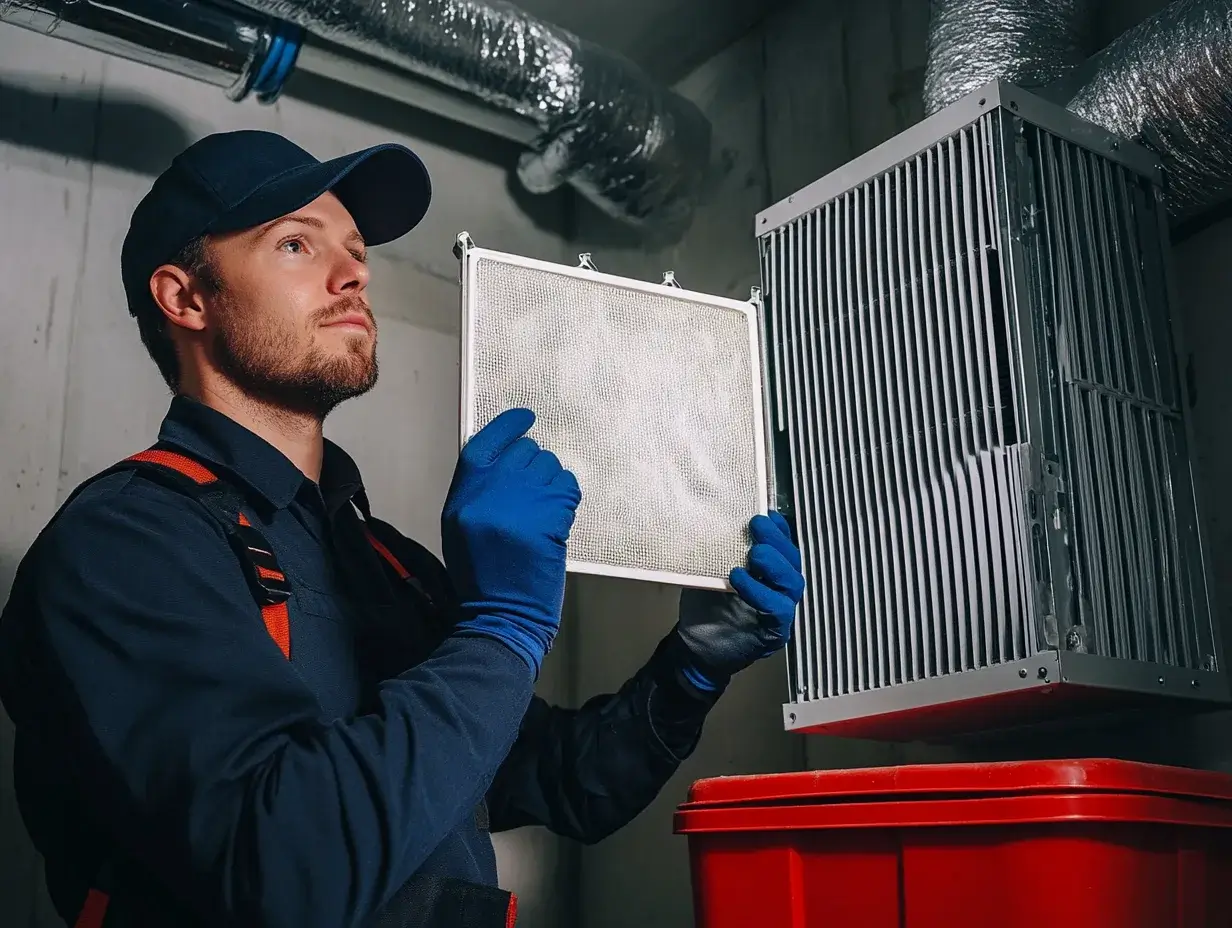
A dirty air filter is one of the leading causes of heating problems and reduced system efficiency. When your filter becomes clogged with dust, pet hair, and debris, it restricts airflow to the furnace. This restriction can cause the heat exchanger to overheat and trigger a safety shutoff, which means your blower fan keeps running but the burners stop producing heat. The result is cold air blowing through your home.
Most HVAC professionals recommend checking your filter once a month during heavy-use seasons and replacing it every one to three months, depending on the type of filter and household conditions. If you have pets or family members with allergies, more frequent changes are a good idea. A clean filter not only prevents cold air issues but also helps your system run more efficiently, potentially lowering your energy bills.
Pilot Light or Ignition Problems
If you have a gas furnace, the pilot light or electronic ignition system could be the culprit. Older furnaces use a standing pilot light — a small, continuously burning flame that ignites the burners when the thermostat calls for heat. If this flame goes out due to a draft, a dirty pilot orifice, or a faulty thermocouple, your furnace will not be able to ignite and produce warm air.
Newer furnaces use electronic ignition systems, such as hot surface igniters or intermittent pilot systems. These components wear out over time and may fail to ignite the gas, leaving your furnace blowing unheated air. If you suspect an ignition issue, it is best to contact a licensed HVAC technician rather than attempting a repair yourself, especially when dealing with gas-powered equipment.
Insufficient Fuel Supply
Your furnace needs a consistent fuel supply to generate heat. For natural gas systems, check that the gas valve near the furnace is fully open. A partially closed valve can reduce or eliminate the gas flow needed for combustion. If you use propane or oil, your tank may simply be running low or empty — a common oversight during especially cold stretches when fuel consumption spikes.
If you have an oil heating system and your tank has run dry, you may need to bleed the fuel line before the system will restart properly. This is a task best handled by a professional to avoid damage to your equipment or safety hazards.
Ductwork Leaks and Insulation Issues
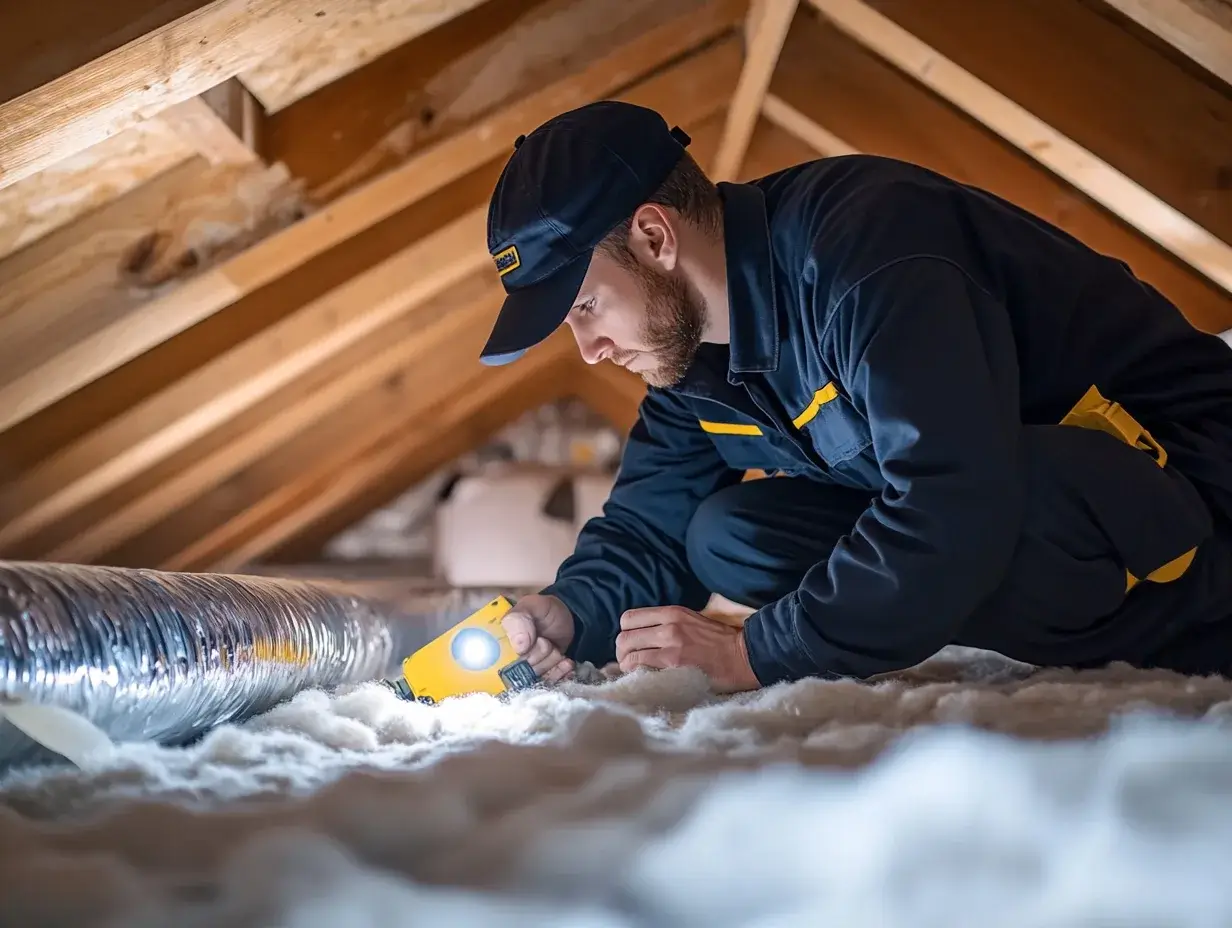
Even when your furnace is working perfectly, damaged or poorly insulated ductwork can allow heated air to escape before it reaches your living spaces. Leaky ducts running through unheated areas like attics, crawl spaces, or basements can lose a significant portion of heated air. By the time the remaining air reaches your vents, it may feel noticeably cooler than expected.
Ductwork problems can also allow cold outside air to be pulled into the system, mixing with the heated air and lowering the overall temperature. A professional duct inspection and sealing can resolve these issues and improve your overall system efficiency by as much as 20 to 30 percent.
Malfunctioning Flame Sensor
The flame sensor is a small but critical safety component in your furnace. Its job is to detect whether a flame is present after the gas valve opens. If the sensor is dirty or malfunctioning, it may not detect the flame properly and will shut down the burners as a safety precaution — even though the flame is actually there. The blower fan will continue to run, pushing unheated air through your home.
Cleaning a flame sensor is a relatively straightforward task for an experienced HVAC technician. Regular maintenance visits typically include this step, which is one more reason why annual furnace tune-ups are so important.
Condensate Line Blockage in High-Efficiency Furnaces
If you have a high-efficiency condensing furnace (rated at 90 percent AFUE or higher), it produces condensation during the heating process. This moisture drains through a condensate line. If that line becomes clogged with algae, sediment, or debris, the water can back up and trigger a safety switch that shuts down the burners. Once again, the blower continues to run and circulates cold air throughout your home.
Checking and clearing the condensate line is part of routine furnace maintenance. If your high-efficiency system is blowing cold air and you notice water pooling near the base of the furnace, a blocked condensate line is a likely cause.
Overheating Due to Restricted Airflow
Beyond a dirty filter, other factors can restrict airflow and cause your furnace to overheat. Closed or blocked supply vents, furniture placed over floor registers, and even a buildup of dust inside the ductwork can all reduce the volume of air flowing through the system. When the furnace overheats, its limit switch activates and shuts off the burners to prevent damage or a potential fire hazard.
Walk through your home and make sure all vents and registers are open and unobstructed. Even in rooms you do not use often, keeping vents open helps maintain proper airflow balance throughout the entire system.
Aging or Failing Equipment
Furnaces typically last between 15 and 20 years with proper maintenance. As a system ages, components wear out, efficiency drops, and breakdowns become more frequent. If your furnace is nearing the end of its expected lifespan and you are experiencing recurring cold air issues despite repairs, it may be more cost-effective to invest in a replacement rather than continuing to pay for fixes.
A new, energy-efficient furnace can dramatically reduce your heating costs while providing more consistent, reliable comfort. Region Home Services can help you evaluate whether a repair or replacement makes the most sense for your specific situation and budget.
When to Call a Professional
While checking your thermostat, replacing a filter, and ensuring vents are open are tasks any homeowner can handle, many heating issues require the expertise and tools of a licensed HVAC technician. You should call a professional if you smell gas near your furnace, if the system repeatedly cycles on and off without producing heat, if you hear unusual banging or grinding noises, or if the problem persists after you have addressed the basic causes listed above.
Attempting to repair gas lines, ignition systems, or electrical components without the proper training can be dangerous and may void your equipment warranty. A qualified technician can accurately diagnose the issue, make safe repairs, and ensure your system is operating at peak performance.
Prevent Cold Air Problems with Regular Maintenance
The most effective way to avoid waking up to a furnace blowing cold air is to schedule annual maintenance before the heating season begins. A professional tune-up includes inspecting and cleaning critical components, checking gas connections and safety controls, testing system performance, and identifying small issues before they turn into expensive repairs or complete system failures.
Region Home Services has been keeping homes in Bensalem, PA, and the surrounding communities comfortable since 1974. Our experienced HVAC technicians can diagnose and resolve any heating issue quickly and affordably. Whether you need an emergency repair, routine maintenance, or a full system replacement, we are here to help you stay warm all winter long. Call us at 215-639-0424 or contact us online to schedule your appointment today.
3 Responses