Understanding how long your HVAC system will last is important for both planning future maintenance and budgeting for potential replacement. HVAC systems are designed to provide reliable heating and cooling, but like all machines, they have a limited lifespan. The key to extending that lifespan is regular maintenance. Regular care helps keep your system functioning at its peak, which means you’ll enjoy better energy efficiency and fewer unexpected repairs. By staying on top of your system’s needs and making smart maintenance choices, such as scheduling routine service checks, you can significantly extend the lifespan of your HVAC system, ensuring consistent comfort in your home or office for years to come. Additionally, by investing in routine inspections and timely servicing, such as heating system repair services, you help prevent more costly issues down the road and maintain optimal performance year-round.
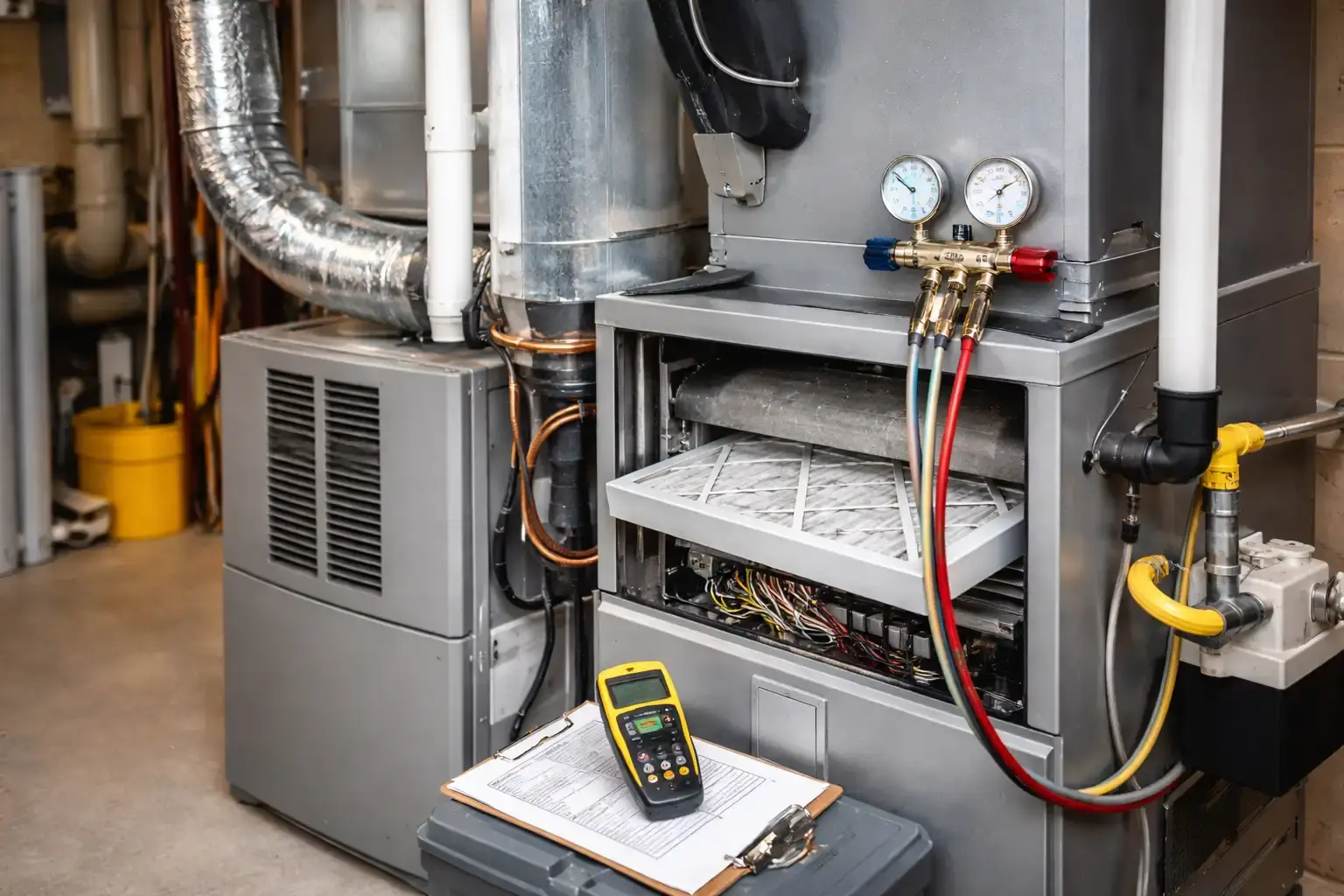
Key Factors Affecting the Lifespan of an HVAC System
The lifespan of your HVAC system depends on several factors, including the quality of the system, how it is used, and how well it is maintained. Systems that are properly maintained and serviced regularly tend to last longer and work more efficiently. In contrast, units that are poorly maintained or operated under harsh conditions may wear out more quickly. It’s essential to also consider the installation quality and whether the system was sized correctly for the space. A system that is too small or too large for your home will struggle to maintain proper temperatures, leading to increased wear and tear. Additionally, environmental factors such as the level of dust and dirt in the air or extreme weather conditions can affect the performance of your system and shorten its lifespan. Proper installation, expert servicing, and a clean environment all contribute to a longer, more efficient operation of your HVAC system, while opting for services like HVAC system repair can keep things running smoothly.
1. Regular Maintenance and Servicing
Regular maintenance is one of the most effective ways to prolong the life of your HVAC system. Scheduling seasonal tune-ups and regular inspections ensures that your system continues to run efficiently and that small issues are addressed before they turn into major problems. During these maintenance checks, professionals clean the filters, check the refrigerant levels, inspect the ductwork, and perform other essential tasks to ensure optimal system performance. Neglecting maintenance can result in inefficient operation, increased wear and tear, and higher energy bills, so it’s crucial to keep up with your system’s care. In fact, some manufacturers even require proof of regular maintenance to honor warranties. To keep your system in top shape, consider professional help from an expert who specializes in air conditioning system upkeep, who can perform regular inspections and prevent unnecessary repairs down the line.
By following a strict maintenance schedule, you are investing in the longevity of your HVAC system, preventing early replacements and expensive repairs. If you’ve neglected regular servicing, it’s not too late to start. Reach out to a licensed professional today to assess your system’s health and begin routine maintenance. Proper care not only boosts efficiency but also enhances comfort and air quality in your home, making it a smart long-term investment.
2. Installation Quality and Professionalism
The quality of installation is one of the most important factors in determining how long your HVAC system will last. If the system isn’t installed properly, it can lead to premature failure, poor performance, and a variety of ongoing issues. A professional HVAC technician ensures that the system is correctly installed, ensuring that all components are positioned and connected properly. Proper sizing is another crucial aspect of installation. An oversized or undersized system can cause inefficiency, strain the components, and lead to costly repairs. A well-installed HVAC system will operate more efficiently, be less likely to experience problems, and last longer. Ensuring that you hire an experienced technician who specializes in HVAC system installation will provide you with peace of mind and prevent potential headaches down the road.
3. Environmental and Usage Conditions
Environmental factors play a significant role in the lifespan of your HVAC system. For example, homes located in areas with high levels of dust, extreme temperatures, or high humidity may put more strain on the system, leading to faster wear and tear. Dust and debris can clog filters and evaporator coils, reducing airflow and efficiency. Additionally, using your system excessively or without proper settings can cause components to wear out faster. Systems that are overworked, or those that frequently cycle on and off, are more likely to develop issues that could shorten their lifespan. Regularly replacing filters, keeping the area around your system clean, and making sure your system is properly sized for your space can all help prevent damage and improve the efficiency of your HVAC system. If you live in an area with harsh environmental conditions, consider investing in services like oil heater installation to ensure that your system is well-suited to the climate.
Signs That Your HVAC System May Need Replacement
1. Frequent Breakdowns and Costly Repairs
If your HVAC system is experiencing frequent breakdowns or if you’re constantly paying for costly repairs, it may be time to start considering a replacement. While occasional repairs are a normal part of system maintenance, constant issues can indicate underlying problems that might not be worth fixing. At a certain point, continuing to pay for repairs can cost you more than purchasing a new, energy-efficient system. Additionally, older systems may require more complex and expensive repairs, which can make replacing the unit a more cost-effective option. If you’re experiencing frequent breakdowns, it’s important to contact a technician who specializes in replacing air conditioning units to assess whether replacement is the most cost-effective solution.
Constant issues with your HVAC system could also indicate that it’s no longer performing at its optimal level. If you find yourself constantly repairing an older system, it’s time to think about investing in a more efficient model that can provide better reliability and performance in the long run.
2. Reduced Heating and Cooling Efficiency
As your HVAC system ages, its efficiency tends to decline. If you notice that your home is no longer maintaining a consistent temperature, or if it’s taking longer to heat or cool the space, it may be a sign that your system is no longer operating at peak performance. This could be due to several issues, such as a worn-out compressor, leaks in the ductwork, or simply the natural aging process of the system. Reduced efficiency not only leads to discomfort but can also result in higher energy bills, as your system has to work harder to achieve the desired temperature. If you’re experiencing any of these issues, it’s time to contact a professional to assess whether your system needs repair or replacement.
In addition to reduced efficiency, you may notice hot and cold spots throughout your home. This is another indication that your HVAC system is struggling to heat or cool your space uniformly. When your system is no longer able to maintain an even temperature, it might be time to explore replacement options, such as upgrading to a newer, more efficient model.
If you’re facing these issues, it’s important to address them as soon as possible to prevent further damage and rising utility costs. Contact a technician who can advise you on the most energy-efficient solutions for your home, which may include upgrades or a complete system replacement.
3. Uncommon Noises or Odors
If your HVAC system begins making strange noises such as banging, grinding, or squealing, it could be a sign of a malfunction. These noises may indicate that a component is loose, broken, or in need of lubrication. Unusual sounds should never be ignored, as they often signal that something is wrong and could lead to a bigger issue if not addressed promptly. Similarly, unpleasant odors coming from the system can indicate problems such as mold growth, electrical issues, or overheating components. If you detect unusual smells or sounds, it’s best to contact an expert to conduct a thorough inspection and perform necessary repairs. If your HVAC system continues to produce these symptoms after repairs, replacement might be a more viable option.
Uncommon odors, such as a burning smell or a musty odor, can also indicate a serious problem with the system’s internal components. If the issue is persistent, consider reaching out for professional assistance to evaluate whether the problem can be fixed or if your system needs to be replaced.
4. The Age of the HVAC System
The age of your HVAC system is another crucial factor in determining whether it’s time for replacement. Typically, HVAC systems last between 10 and 15 years, depending on the model and how well it has been maintained. Once your system reaches this age, its efficiency starts to decrease, and repairs may become more frequent. If your system is approaching the end of its life and you’re noticing issues like inefficiency or higher repair costs, it may be time to consider replacing it. Consulting a technician who specializes in HVAC replacements can help you determine whether your system should be replaced or if repairs are still a viable option.
Tips to Maximize the Lifespan of Your HVAC System
To maximize the lifespan of your HVAC system, it’s important to implement regular maintenance and take steps to protect the system from unnecessary wear and tear. Here are a few tips to help extend the lifespan of your HVAC unit:
| Tip | Description |
| Regular inspections | Schedule professional inspections to catch issues early before they become major problems. |
| Replace filters regularly | Change your filters every 1-3 months to ensure good airflow and prevent system strain. |
| Keep the area clean | Clear debris around the unit to prevent blockages and ensure efficient operation. |
| Upgrade when needed | Consider replacing outdated components or the entire system to improve efficiency and reduce energy costs. |
Why Timely Maintenance is Crucial for Longevity
Timely maintenance plays a crucial role in extending the life of your HVAC system. Regular inspections and servicing ensure that your system is running efficiently, help identify small problems early, and prevent major breakdowns. Investing in maintenance not only prolongs the lifespan of your system but also helps to reduce overall energy consumption and keeps operating costs down. Timely interventions can prevent the need for premature replacements and keep your system performing at its best. Professional services, such as oil heater replacement, can help ensure that your system remains in excellent condition, especially during peak seasons.
By prioritizing maintenance and taking steps to protect your system, you can significantly reduce the risk of breakdowns, improve energy efficiency, and extend the useful life of your HVAC system. A well-maintained HVAC system provides long-term benefits, both in comfort and cost savings.
Get Expert HVAC Assistance for Optimal System Performance
For optimal performance, your HVAC system requires expert assistance. Professional technicians can provide system evaluations, repair services, and replacement options to ensure that your system is running efficiently. Whether you need regular maintenance, an upgrade, or repairs, reaching out to a reliable technician can prevent future problems and help you maintain system efficiency. Regular professional inspections ensure that your HVAC system stays in top condition and saves you money in the long run by preventing costly repairs. Contacting a technician who understands the intricacies of HVAC systems will give you peace of mind and keep your home comfortable all year round.
Schedule a consultation with a trusted HVAC expert to ensure your system is working at its best. Whether you need to upgrade your unit or simply keep it well-maintained, expert advice and services can help extend the life of your system and prevent future breakdowns. Don’t wait for your HVAC system to fail — proactive care will save you money and hassle.
2 Responses