
Proper maintenance of your furnace filter is essential for ensuring the efficient operation of your HVAC system. A well-maintained filter helps reduce the wear and tear on your furnace, increases its lifespan, and enhances energy efficiency. Over time, filters can become clogged with dust, dirt, and other debris, which can reduce airflow and cause your system to work harder, leading to higher energy costs. Regular inspection and timely replacement of the filter ensure that your heating and cooling systems continue to operate effectively. Keeping your HVAC system in top shape also has the added benefit of improving air quality inside your home. If you’re looking to enhance the performance of your HVAC system further, you may want to consider scheduling a check-up with a professional who specializes in services such as furnace repair or heating system maintenance.
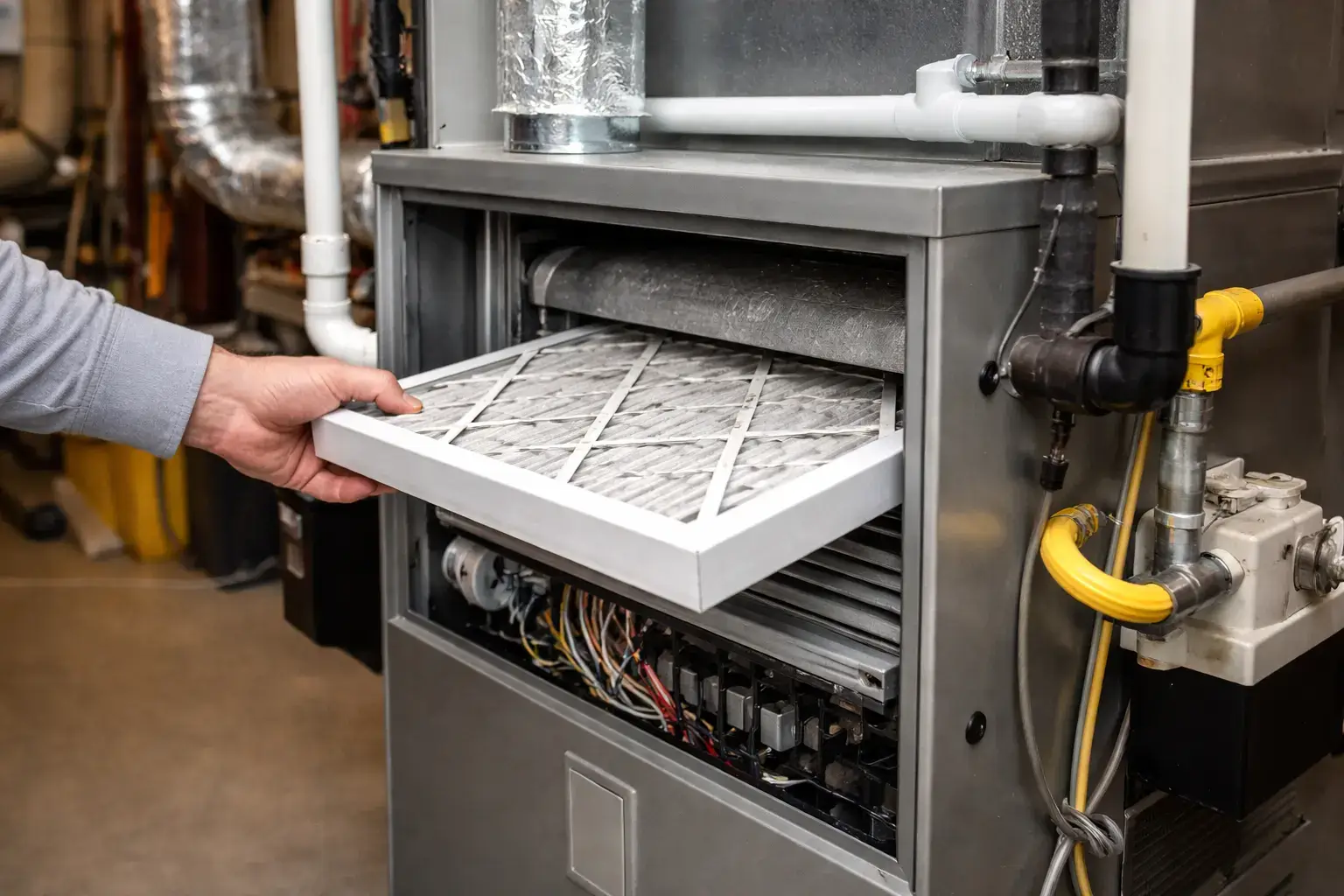
What Is a Furnace Filter?
A furnace filter is a key component of your heating system designed to capture dust, dirt, and other airborne particles before they are circulated through your home. By trapping these contaminants, the filter helps ensure that the air you breathe remains clean and that your furnace operates efficiently. Furnace filters come in various materials and styles, including fiberglass, pleated, and HEPA filters, each designed to provide different levels of filtration. The type of filter you choose can affect both the air quality in your home and the overall performance of your HVAC system. A higher-quality filter will capture smaller particles and keep your furnace running smoothly, while a less efficient filter may allow dust and debris to accumulate in your system, potentially causing it to overheat or fail. Depending on the environment of your home (e.g., pets, allergies, or a dusty area), it may be beneficial to use a more efficient filter to keep your system and indoor air clean.
When selecting a furnace filter, it’s important to consider the type of particles you want to filter out. For example, a HEPA filter can capture even the smallest particles, making it ideal for people with allergies or respiratory issues. In contrast, a basic fiberglass filter might be more suited for general dust removal. If you’re unsure which type is best for your needs, a professional in HVAC system repairs can help you make the right choice based on your specific needs and system requirements.
Where Is the Furnace Filter Located?
The furnace filter is typically located in the return air duct or blower compartment of your furnace. In many systems, the filter is housed in a dedicated slot that can easily be accessed by removing a panel or door. The location may vary depending on the type of furnace you have, but it is usually found near the point where air enters the furnace before being heated. If you’re having trouble locating it, you can refer to your furnace’s user manual or contact a professional technician who can help you identify the filter’s location. If you’ve recently installed a new system, a technician specializing in oil heater installation or furnace setups can also assist with locating and maintaining the filter in the most accessible spot.
In some cases, the furnace filter may be positioned in a hard-to-reach area, especially in older or more complex systems. If this is the case, it might be a good idea to ask a professional to assist with not only the location of the filter but also with ensuring that your entire HVAC system is functioning efficiently. Having your system professionally inspected will help you prevent issues such as clogged filters or poor airflow.
Where Is the AC Filter Located?
If you have an integrated HVAC system, the AC filter is often located in the same general area as the furnace filter, typically in the return air duct or near the air handler. In many systems, the filter is located in a slot just before the air enters the cooling unit, ensuring that it traps dust and debris before they circulate through your home. If your air conditioning system is independent of your furnace, the filter may be located in the air handler or near the evaporator coil. It’s essential to check this filter regularly to ensure that your air conditioning system is working efficiently. If you find that the filter is clogged or damaged, it’s best to replace it to keep your cooling system operating smoothly and prevent unnecessary strain on your equipment.
How to Check and Maintain Your Furnace Filter
Maintaining your furnace filter is crucial to ensuring the smooth operation of your HVAC system. Here’s how you can properly check and maintain your furnace filter:
- Locate the filter: Start by finding the furnace filter, typically located in the return air duct or blower compartment. Refer to your furnace’s manual if necessary.
- Remove the filter: Gently slide the filter out of its slot, taking care not to damage it or the surrounding components.
- Inspect the filter: Check the filter for visible dirt, dust, or damage. If it appears dirty or clogged, it’s time to replace it. If it’s reusable, clean it according to the manufacturer’s instructions.
- Replace the filter: If the filter is disposable, replace it with a new one of the same size and type. Ensure that the filter is installed with the arrows or direction indicator facing the correct way for proper airflow.
- Regularly check the filter: It’s recommended to inspect the filter every 1-3 months, but you may need to check it more frequently depending on the air quality in your home. Homes with pets, heavy dust, or allergies may require more frequent filter changes.
How to Find Your Furnace Filter Location
If you’re unsure where your furnace filter is located, the first step is to inspect the return air duct or blower compartment of your furnace. Many furnaces have easy-to-remove panels or doors where the filter is housed. If you still can’t find it, your furnace’s user manual should provide detailed instructions on the location and installation of the filter. If your system has multiple zones, it’s essential to check each zone’s filter to ensure that all components are functioning efficiently.
For complex HVAC systems or homes with multiple heating and cooling zones, the filter may be located in a different area for each zone. In such cases, it’s a good idea to ask a professional technician to inspect your entire system and ensure that all filters are maintained properly. This will prevent clogged filters, poor airflow, and the potential need for costly repairs down the line.
Can Furnace Filters Be Installed in Any Direction?
No, furnace filters must be installed in the correct direction for optimal performance. Most filters have an arrow or indicator on the side showing the direction of airflow. Installing the filter the wrong way can reduce its effectiveness, as it may restrict airflow and cause your furnace to work harder than necessary. Always install the filter with the arrows pointing in the direction of airflow. If you’re unsure about how to install the filter correctly, refer to the manufacturer’s instructions or consult a professional technician.
How Many Filters Does a Furnace Have?
Most furnaces typically have a single filter, but larger or multi-zone systems may have multiple filters. Each filter serves the same purpose of ensuring that debris and contaminants are removed from the air before it enters the furnace. If you have a complex system with multiple zones, it’s important to check and replace all filters regularly. For systems that require multiple filters, it’s a good idea to schedule a professional inspection to ensure that all filters are properly maintained and functioning efficiently. If you’re considering upgrading your system, you might want to explore options for oil heater installation to enhance the efficiency of your heating system.
How to Know When It’s Time to Change Your Furnace Filter
Knowing when to replace your furnace filter is essential to maintaining the efficiency of your HVAC system. Here are several signs that it might be time for a replacement:
- Clogged filter: If the filter appears dirty or clogged with debris, it’s time to replace it to ensure proper airflow.
- Decreased airflow: If you notice a decrease in airflow or if your furnace takes longer than usual to heat your home, this may indicate that the filter is restricting airflow.
- Increased dust: If you notice more dust or allergens circulating through your home, the filter may not be trapping particles effectively anymore.
- System strain: If your furnace is working harder than usual or making unusual noises, it could be struggling due to a dirty filter.
- Pets: If you have pets, consider replacing the filter more frequently, as pet hair and dander can clog the filter faster.
When and How Often to Change Your Furnace Filter for Optimal Performance
For optimal performance, it’s recommended to change your furnace filter every 1 to 3 months. However, factors such as the number of occupants, pets, and allergies can affect how often you need to replace the filter. If you have pets or live in an area with heavy dust or pollen, consider replacing the filter more frequently to ensure your system is running smoothly. During high-use seasons, such as winter or summer, you may also need to replace the filter more often. Regular maintenance, including filter changes, can extend the lifespan of your furnace and keep your system working efficiently year-round.

3 Responses