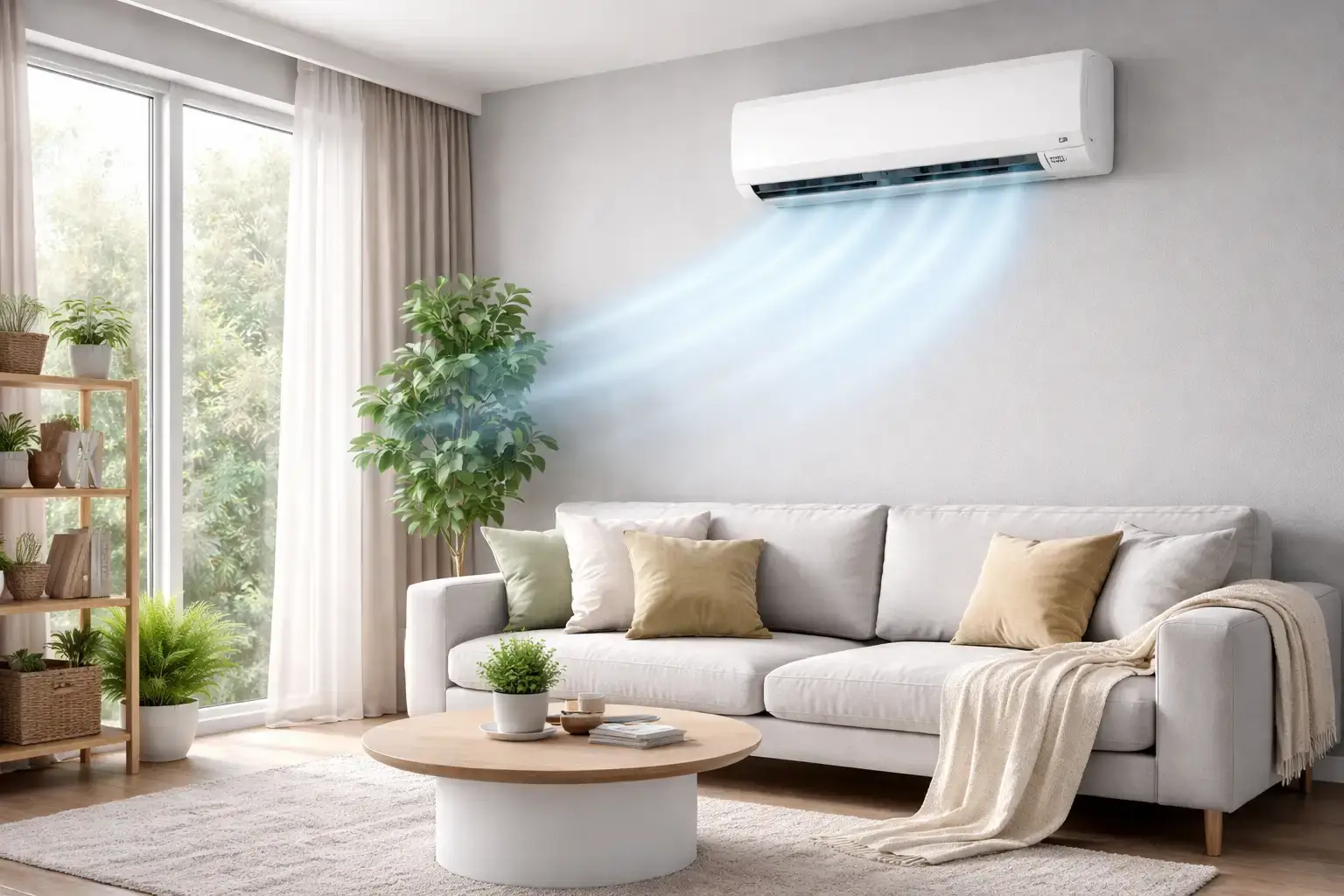
Choosing the best ductless air conditioner for your home or office is essential for maintaining comfort and energy efficiency. Ductless systems offer a variety of benefits over traditional central air conditioning, including flexibility, lower installation costs, and more precise temperature control. Unlike traditional systems that require extensive ductwork, ductless air conditioners use small, unobtrusive units to cool individual rooms or multiple zones, making them ideal for spaces without pre-existing ducts or areas that need customized cooling. Whether you’re upgrading your current system or installing a new one, ductless systems can provide an efficient and long-term solution. In this guide, we’ll explore the top options for efficient cooling, how to assess your cooling needs, and the benefits of ductless systems to help you make an informed decision for your home or business.
Assessing Your Cooling Needs: How to Choose the Right Ductless AC
When choosing the right ductless air conditioner, the first step is assessing your cooling needs based on the size, layout, and use of the space. The cooling capacity of a ductless system is measured in BTUs (British Thermal Units), which reflects how much heat the system can remove from a room. A unit that is too small for the space will struggle to cool the area effectively, leading to increased energy consumption and wear on the system. On the other hand, a system that is too large can lead to short cycling, where the unit turns on and off frequently, reducing efficiency and comfort.
To determine the right size of the system, an HVAC professional will consider several factors, including the square footage of the space, the number of windows, the type of insulation, and the climate of your region. A more accurate method involves performing a load calculation, which takes into account all the variables that affect your home’s cooling requirements. Additionally, consider the number of people in the space and the equipment or appliances that generate heat. By evaluating these factors, you can ensure that your ductless system is appropriately sized to deliver optimal performance without overworking the system. This will also help you avoid the need for frequent maintenance or system replacements down the line.
Single-Zone vs Multi-Zone Ductless Air Conditioning Systems
One of the main decisions when choosing a ductless air conditioner is whether to install a single-zone or multi-zone system. A single-zone ductless system is designed to cool one specific room or space, making it a great option for smaller rooms like bedrooms, home offices, or studios. These systems consist of one indoor unit and one outdoor condenser unit, which makes them simple to install and more affordable compared to multi-zone systems. Single-zone systems provide efficient cooling with minimal energy consumption, as they focus on cooling only the room in which they are installed.
For larger homes or spaces with multiple rooms, a multi-zone system may be more appropriate. These systems are designed to cool multiple rooms or zones with one outdoor unit that is connected to several indoor units. Each indoor unit has its own thermostat, which allows you to control the temperature in different areas of your home independently. This zoning capability is particularly useful in homes with varying cooling and heating needs across different rooms or floors. With a multi-zone system, you can save energy by cooling only the rooms that are in use, avoiding the need to cool the entire house. If you already have a central HVAC system, upgrading to a multi-zone system can improve efficiency and comfort.
Multi-zone systems can be more expensive initially, but they offer greater flexibility and long-term energy savings. They are perfect for homes with open floor plans or areas that require precise temperature control, such as home offices, kitchens, and living areas. Whether you opt for a single-zone or multi-zone system will depend on your specific needs, budget, and the size of the area you wish to cool. Should you decide to install or replace your current AC system, a multi-zone solution could be a great choice for optimizing comfort throughout the entire home.
Key Features of the Best Ductless Air Conditioners
The best ductless air conditioners come with several advanced features designed to improve both comfort and efficiency. Here are some of the key features you should consider when choosing a system:
| Feature | Description |
| Energy Efficiency | The SEER (Seasonal Energy Efficiency Ratio) rating measures how efficiently the system cools a space compared to the amount of energy it consumes. A higher SEER rating indicates a more energy-efficient system. Look for systems with a SEER rating of 18 or higher for optimal energy savings. |
| Quiet Operation | Many modern ductless systems are designed to operate quietly, with noise levels as low as 19 decibels. This makes them ideal for bedrooms, living rooms, or offices where noise can be distracting. |
| Wi-Fi Connectivity | Wi-Fi-enabled systems allow you to control your ductless air conditioner remotely using a smartphone app or voice assistant, such as Amazon Alexa or Google Assistant. This feature provides added convenience and flexibility, allowing you to adjust the temperature before you even enter the room. |
| Advanced Filtration | Most ductless systems come with multi-stage filtration that helps capture dust, allergens, and other particles, improving indoor air quality. Some units even include HEPA filters for superior air purification, which is beneficial for people with allergies or respiratory issues. |
| Dehumidification | Many ductless units also feature dehumidification capabilities, which are particularly beneficial in humid climates. These systems not only cool the air but also remove excess moisture, creating a more comfortable living environment. |
Ductless Air Conditioner Technology: What Makes Them Efficient
One of the key reasons why ductless air conditioners are more efficient than traditional systems is the technology they use. At the heart of a ductless system is the inverter-driven compressor, which adjusts its speed to meet the cooling demand of the space. Unlike conventional AC units that operate on a constant on/off cycle, inverter compressors maintain a constant temperature by running at varying speeds. This continuous operation reduces energy consumption and ensures more consistent cooling, making ductless systems far more energy-efficient than traditional systems.
Additionally, ductless air conditioners are highly customizable, allowing you to adjust the temperature in different zones of your home. Each indoor unit operates independently, so you can cool only the rooms you are using. This zoning capability helps eliminate energy waste by allowing you to turn off the units in unoccupied rooms, further reducing your energy consumption.
Another feature that contributes to the efficiency of ductless systems is their advanced filtration technology. Many ductless units include multiple stages of filtration that capture dust, dirt, and other pollutants, improving the quality of the air in your home. Some high-end models even include UV lights or ionizers to kill bacteria and mold, which further enhances indoor air quality. This feature can be beneficial for maintaining the health of your home’s air, especially if you live in areas with high pollution or allergens.
Finally, ductless air conditioners have a much smaller carbon footprint compared to traditional systems. The absence of ducts reduces the need for additional materials, and the high energy efficiency of these systems helps to lower overall energy consumption, making them an environmentally friendly choice. Whether you are looking to install a new system or replace an old, inefficient one, ductless units offer a sustainable and cost-effective solution.
Benefits of Ductless Systems Over Traditional AC Units
Ductless air conditioning systems offer several distinct advantages over traditional central air units. One major benefit is the absence of ductwork, which eliminates energy losses that occur when air travels through ducts. Traditional systems can lose up to 30% of their cooling power through ductwork leaks and poor insulation. With ductless systems, cool air is delivered directly to the room, reducing energy waste and increasing efficiency. If you’ve had a central air system for a while, you may have noticed rising energy bills or inconsistent temperatures, indicating that it might be time for a replacement or upgrade.
Another significant benefit is the ease of installation. Installing a traditional central AC system requires significant construction work, including installing ductwork and vents throughout the home. Ductless systems, on the other hand, are quick and easy to install. They require only a small hole in the wall to connect the indoor and outdoor units, making them ideal for retrofitting older homes or adding cooling to rooms that are difficult to reach with ductwork. With an expert installation team, the process is quick and non-disruptive, allowing you to enjoy efficient cooling right away.
Installation Tips and Considerations for Ductless AC Systems
Proper installation is key to ensuring the efficiency and longevity of your ductless air conditioning system. When choosing a location for the indoor unit, it’s important to select an area where the airflow will not be obstructed by furniture, curtains, or other objects. Make sure the unit is installed high enough on the wall to allow for optimal air circulation and to avoid creating hot spots. If you are replacing an older system, make sure the new unit is properly sized to avoid overworking the system and ensure better performance.
- Ensure that the outdoor unit is placed in a well-ventilated area with easy access for maintenance and service.
- Install the outdoor unit in a shaded area, if possible, to improve efficiency and reduce wear on the system.
- Work with a professional HVAC contractor to properly size your system and ensure it is installed according to the manufacturer’s guidelines.
- Consider installing a multi-zone system if you need to cool multiple rooms or areas with different temperature requirements.
Ductless AC System Maintenance: Ensuring Longevity and Efficiency
Maintaining your ductless air conditioning system is essential for ensuring it runs efficiently and lasts for many years. Regular maintenance tasks include cleaning or replacing the air filters every 1-2 months to prevent dirt buildup that can restrict airflow and reduce cooling efficiency. It’s also important to clean the coils and drain line annually to prevent mold and algae growth and to ensure the system operates smoothly. Whether you are repairing or maintaining your current system, regular upkeep is key to long-term satisfaction.
In addition to regular cleaning, you should schedule a professional inspection at least once a year. A trained technician will check the refrigerant levels, inspect the condenser coils, and make sure all the components are working properly. Annual maintenance can prevent costly repairs and ensure that your system is running at peak efficiency, which will help extend the life of your ductless AC and reduce energy costs over time. If your system is reaching the end of its life, it might be time to consider a replacement to continue enjoying optimal cooling efficiency.

One Response