
Installing an HVAC system with ductwork is one of the largest and most impactful upgrades a homeowner can make. This type of project affects nearly every aspect of daily living, from indoor comfort and air quality to monthly energy bills and long-term maintenance costs. Unlike smaller home improvements, HVAC installation is not something most homeowners do often, which makes understanding the full scope of the investment especially important. Many people focus only on the cost of the heating and cooling unit, but the ductwork that delivers air throughout the home is just as critical. Poor duct design or installation can undermine even the most advanced system. Knowing what influences pricing, how costs are structured, and what to expect before signing a contract helps you avoid unexpected expenses and ensures you get the best value for your investment.
Why Proper HVAC and Ductwork Installation Matters
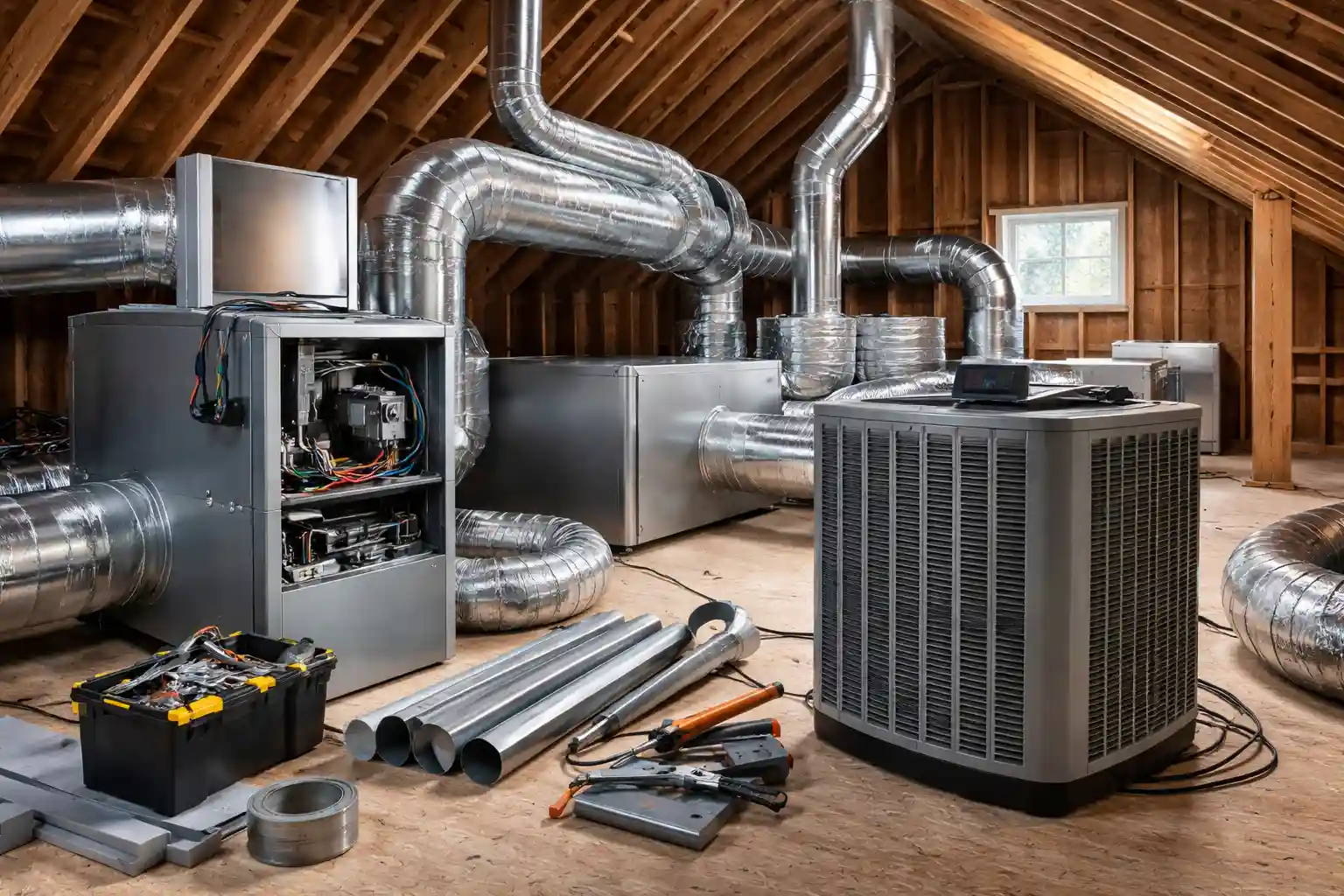
Proper HVAC and ductwork installation is essential for maintaining consistent temperatures and reliable performance throughout your home. Ducts act as the delivery system for heated and cooled air, and if they are improperly sized, poorly sealed, or incorrectly routed, a significant amount of energy can be lost before air ever reaches your living spaces. This loss forces the HVAC system to work harder and run longer, which increases energy consumption and accelerates wear on critical components. Over time, these issues can shorten system lifespan and result in higher repair costs.
Another important factor is system diagnostics and long-term reliability. Homeowners often experience hot and cold spots, weak airflow, or unusual system behavior and assume the HVAC unit itself is failing. In many cases, these problems are discovered during professional cooling diagnostics, which reveal duct restrictions, leaks, or design flaws rather than equipment malfunction. Proper installation from the beginning reduces these risks, improves indoor air quality, and creates a system that performs efficiently and predictably for many years.
Average Cost to Install an HVAC System with Ductwork
The average cost to install an HVAC system with ductwork can vary widely depending on several factors, including home size, system capacity, existing infrastructure, and regional labor rates. Homes that already have functional ductwork in good condition generally cost less to upgrade, as the installation focuses primarily on replacing the HVAC unit itself. In contrast, homes that require new ductwork or major duct modifications typically face higher costs due to additional materials, labor, and design work.
Smaller homes usually require lower-capacity systems and fewer duct runs, which helps keep costs manageable. Larger homes, multi-story properties, or homes with complex layouts need more powerful equipment and extensive duct networks. In many situations, homeowners choose to coordinate this project with an aging AC unit upgrade to ensure all components work together efficiently and to reduce the likelihood of future compatibility problems.
It’s also important to understand that national averages do not always reflect local pricing. Climate conditions, demand for HVAC contractors, and regional regulations all influence final costs. For this reason, in-home evaluations and detailed estimates are essential. These assessments account for your home’s specific needs and help you create a realistic budget before installation begins.
Cost Breakdown: HVAC Unit vs. Ductwork
When reviewing HVAC installation estimates, homeowners often focus on the price of the heating and cooling equipment, but ductwork can represent an equally significant portion of the total cost. Duct-related expenses include materials, insulation, sealing, layout design, and labor. If existing ducts are outdated, undersized, or poorly sealed, modifications or full replacement may be necessary to meet current efficiency standards and ensure proper airflow.
| Cost Component | What It Includes | Cost Impact |
| HVAC Equipment | Heating and cooling unit, controls | Moderate to high depending on efficiency |
| Ductwork | Duct materials, insulation, sealing, layout | High for new or redesigned systems |
| Labor | Installation, testing, airflow balancing | Varies by complexity |
Key Factors That Affect HVAC Installation Cost
The total cost of installing an HVAC system with ductwork is influenced by a combination of technical, structural, and regulatory factors. These include system size and capacity, brand and system type, duct condition, labor complexity, energy efficiency requirements, and optional upgrades. Permit fees and local building codes can also affect pricing. Understanding how these factors interact helps homeowners compare quotes accurately and choose solutions that provide long-term value rather than short-term savings.
1. Size and Capacity of the HVAC System
Proper system sizing is one of the most important factors in HVAC installation. The system must be matched to the home’s square footage, insulation quality, ceiling height, window placement, and local climate. An undersized system struggles to maintain comfort during extreme temperatures, while an oversized system cycles on and off too frequently, wasting energy and increasing wear. Correct sizing improves efficiency, reduces operating costs, and minimizes the need for repeated air conditioning service calls over the life of the system.
2. HVAC Brand and System Type
HVAC brands differ significantly in terms of price, reliability, efficiency, and warranty coverage. Premium brands typically offer advanced features, quieter operation, and longer warranties, which can justify higher upfront costs for many homeowners. Budget-oriented brands may lower initial expenses but sometimes lead to increased maintenance or shorter system lifespan.
System type also plays a major role in installation costs. Heat pumps, furnaces, and hybrid systems all have different design and duct compatibility requirements. Some setups require extensive adjustments similar to a full new system installation, which increases labor time and overall project complexity.
3. Ductwork Installation or Replacement
Ductwork condition is a major cost variable. Installing new ducts is more expensive than reusing existing ones, but older duct systems often suffer from leaks, poor insulation, and outdated layouts. Replacing inefficient ductwork improves airflow, reduces energy loss, and enhances comfort. Over time, this can significantly lower energy bills and reduce the need for frequent ongoing system upkeep.
4. Energy Efficiency and SEER Rating
Higher-efficiency HVAC systems generally come with higher upfront costs due to advanced components and technology. Systems with higher SEER ratings consume less energy, operate more smoothly, and place less strain on mechanical parts. While the initial investment is greater, many homeowners find that reduced utility bills and fewer breakdowns help offset these costs over time.
5. Additional Features and Custom Upgrades
Optional upgrades such as zoning systems, smart thermostats, humidity control, and advanced air filtration increase installation costs but provide meaningful benefits. These features improve comfort, allow greater control over indoor environments, and support better indoor air quality. They are especially useful in larger homes or properties with varying temperature needs.
Some upgrades also reduce operational stress and help prevent premature equipment wear and replacement, making them a strategic investment for homeowners planning to stay in their homes long term.
New Ductwork vs. Existing Ductwork: Cost Comparison
Reusing existing ductwork can significantly reduce upfront installation costs if the ducts are properly sized, sealed, and insulated. However, older duct systems often have hidden problems such as air leaks, crushed sections, or inefficient layouts that restrict airflow. Keeping these ducts may save money initially but can lead to higher energy bills and ongoing comfort issues.
Installing new ductwork increases the initial project cost but allows the system to be optimized for your home’s layout and HVAC equipment. Many homeowners find that new ducts improve airflow consistency and reduce the frequency of HVAC repair visits, providing better long-term reliability and value.
Labor Costs and Installation Complexity
Labor costs depend heavily on the complexity of the installation and the accessibility of work areas. Straightforward installations in open attics or basements are typically less expensive, while projects involving finished walls, limited access, or structural modifications require more time and expertise.
- Multi-story homes with extensive duct routing
- Older homes requiring structural adjustments
- Finished ceilings and walls that limit access
- Conversions from non-ducted heating or cooling
Permits, Inspections, and Local Code Requirements
Most HVAC installations require permits to ensure compliance with local building and safety codes. Permit fees vary by municipality and are sometimes overlooked during budgeting. Skipping permits can result in fines, failed inspections, or complications when selling the home.
Inspections verify that the system meets safety and efficiency standards. Inspectors evaluate airflow balance, electrical connections, refrigerant handling, and duct sealing to ensure proper operation.
Meeting local requirements helps avoid corrective post-installation service issues and provides assurance that the system was installed correctly and safely.
How to Save Money on HVAC Installation
Comparing multiple detailed estimates from licensed contractors is one of the most effective ways to manage installation costs. Quotes should clearly outline equipment, ductwork, labor, and permit fees. Scheduling installation during off-peak seasons may also reduce labor costs and improve contractor availability.
Regular system care and early problem detection can delay the need for major upgrades or full system replacement. Preventive maintenance helps protect your investment and reduces long-term operating expenses.
Signs You Need New Ductwork with Your HVAC System
Uneven temperatures, weak airflow, excessive dust, unusual odors, and rising energy bills are common indicators of failing ductwork. If these problems persist despite proper care, replacing ducts during HVAC installation can significantly improve system performance, comfort, and efficiency.
Is Installing HVAC with Ductwork Worth the Investment?
Installing an HVAC system with properly designed and installed ductwork is a major investment, but it delivers long-term benefits. Improved comfort, lower energy costs, fewer repairs, better indoor air quality, and increased home value make it a worthwhile decision for homeowners seeking reliable and efficient climate control for years to come.