
During the summer months, setting your thermostat correctly is crucial for maintaining comfort and optimizing energy efficiency. A well-adjusted thermostat not only ensures that your home stays cool and comfortable but also helps in reducing energy consumption, leading to lower electricity bills. The ideal temperature for your thermostat depends on various factors, including room size, humidity levels, and your personal comfort preferences. In this guide, we’ll explore the best practices for setting your thermostat during the summer to balance both comfort and energy savings.
Ideal Thermostat Settings for Summer
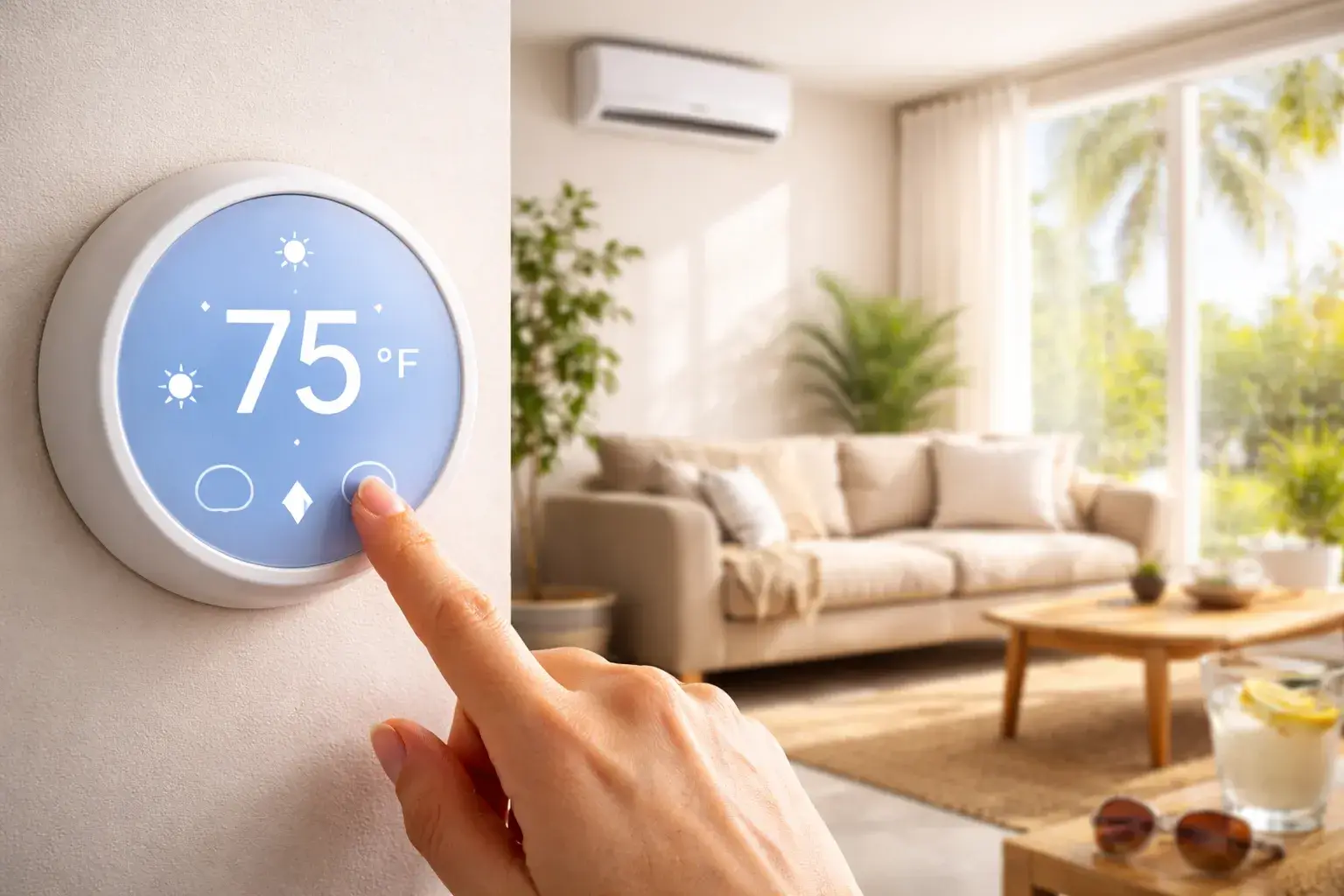
The optimal thermostat setting for summer typically falls between 75°F and 78°F (24°C – 26°C). Setting the thermostat within this range keeps your home cool without overworking your air conditioning unit. However, the ideal temperature may vary based on individual comfort levels, room usage, and outdoor weather conditions. When you are at home, aim to maintain a temperature within this range for comfort. But when you’re away, consider setting your thermostat a few degrees higher to reduce energy consumption while still avoiding excessive heat inside the house.
It’s also important to adjust your thermostat for nighttime cooling. During the night, temperatures typically drop, allowing your home to cool naturally. Lowering the thermostat by a few degrees overnight can help save energy while maintaining comfort. If you use a programmable thermostat, this is the perfect opportunity to set up temperature schedules for different times of day to automatically adjust your settings based on your routine and preferences.
If your air conditioning system isn’t cooling as efficiently as it should, it might be time for a repair. Regular maintenance can help ensure your system performs optimally, especially when you’re adjusting settings to balance comfort and energy efficiency.
Best Cooling Temperature for Summer
The best cooling temperature for summer is usually around 78°F (25-26°C) when you are at home. This temperature strikes a balance between comfort and energy efficiency. It’s cool enough to keep your living spaces comfortable during the hot summer days but not so low that your AC works overtime, wasting energy. If you’re away from home, increasing the temperature by a few degrees (up to 85°F or 29°C) will allow your air conditioning to take a break without compromising your home’s coolness when you return.
Recommended Temperature for Different Room Types
Different rooms in your home may require different thermostat settings based on factors like room size, purpose, and external temperature exposure. Here’s a guide to help you set the thermostat for various rooms, including factors like humidity and personal health preferences:
| Room Type | Recommended Temperature | Factors to Consider |
| Living Room | 75-78°F (24-26°C) | Large space, frequent activity, moderate humidity levels |
| Bedroom | 72-75°F (22-24°C) | Sleep comfort, personal health, lower humidity |
| Kitchen | 78-80°F (25-27°C) | High heat from cooking, ventilation, moderate humidity |
| Basement | 68-72°F (20-22°C) | Cooler naturally, higher humidity, less activity |
| Home Office | 75-78°F (24-26°C) | Work comfort, moderate humidity, ventilation for focus |
How Humidity Affects Thermostat Settings in Summer
Humidity plays a significant role in your comfort level during the summer months. High humidity can make the air feel warmer than it actually is, causing discomfort even if the temperature is set to a comfortable level. In this case, you may want to lower your thermostat by a few degrees to compensate for the added moisture in the air. Humidity can also strain your air conditioner, as the system has to work harder to remove moisture from the air while cooling the space.
To effectively manage humidity levels, it’s a good idea to use a dehumidifier in areas with high humidity, such as basements or bathrooms. Additionally, ensure that your air conditioning system is well-maintained to effectively regulate both temperature and humidity. If your air conditioning system is aging and struggling to handle the humidity, it may be time to consider replacing your old unit with a more efficient one. By maintaining the right humidity levels, you can set your thermostat at a slightly higher temperature while still achieving comfort, thus saving on energy costs.
How to Maximize Comfort and Efficiency in Summer
Maximizing comfort and efficiency during the summer is all about finding the right balance between temperature and energy usage. Start by setting your thermostat to an ideal cooling temperature, keeping it at 78°F (25-26°C) while you’re home. When you’re not home, raise the temperature to save energy. Additionally, consider using ceiling fans to circulate cool air throughout the rooms, reducing the workload on your air conditioning system. A programmable thermostat is an excellent tool to help automate these adjustments based on your daily routine, ensuring that your home stays comfortable without wasting energy.
Setting Your Thermostat for Optimal Comfort
For optimal comfort, it’s crucial to maintain a consistent temperature throughout your home. Avoid large fluctuations in temperature, as your air conditioner will have to work harder to adjust to drastic changes. Set your thermostat to a comfortable temperature, and leave it there, allowing your air conditioning system to run efficiently without overworking. For example, when you’re in a room, keep the thermostat set at around 75-78°F (24-26°C), which is typically comfortable for most people.
Consider the time of day and the number of people in a room when adjusting the temperature. During the day, especially when your house is occupied, you may want to lower the temperature slightly to accommodate the heat generated by activity. At night, you can raise the temperature to save energy while still maintaining comfort, especially as the outside temperature drops. Using a smart thermostat or programmable settings will help ensure that your system automatically adjusts according to your needs without manual input.
Don’t forget that insulation plays a crucial role in maintaining a comfortable temperature. Ensure that your home is properly insulated, as this will reduce the load on your air conditioner and help maintain a consistent temperature throughout the house. Good insulation, along with strategic thermostat settings, will keep your home cool without excessive energy consumption.
Energy-Efficient Thermostat Settings for Summer
Energy-efficient thermostat settings can help you save on cooling costs while maintaining comfort. Here are some key tips to consider for energy-efficient summer thermostat settings:
- Increase the thermostat temperature when not at home: Set your thermostat to around 85°F (29°C) when you’re away. This reduces energy consumption without compromising the temperature when you return.
- Use programmable or smart thermostats: These thermostats can be programmed to adjust the temperature automatically based on your schedule, ensuring that your home is only cooled when necessary.
- Optimize airflow: Use ceiling fans or floor fans to circulate the cool air, which helps maintain comfort without over-relying on the AC.
- Keep your air conditioning unit well-maintained: A regularly serviced AC unit runs more efficiently, using less energy to cool your home.
- Block out direct sunlight: Use blinds, shades, or curtains to prevent sunlight from heating up your home, which can reduce the workload of your air conditioning system.
Using Programmable Thermostats to Save Energy
Programmable thermostats offer a convenient way to optimize energy usage in your home during the summer. With a programmable thermostat, you can set your temperature to automatically adjust based on your schedule. For example, set it to be warmer when you’re away at work and cooler when you return home in the evening. This eliminates the need to manually adjust your thermostat, which can be inefficient and time-consuming.
Some modern programmable thermostats even learn your patterns over time and adjust the temperature based on your preferences. These devices can be controlled remotely via smartphone apps, allowing you to make adjustments from anywhere. This level of convenience not only enhances comfort but also helps reduce your cooling costs by ensuring your air conditioner is used only when needed.
Additional Tips for a Cool and Comfortable Home
In addition to adjusting your thermostat, there are other ways to maintain a cool and comfortable home in the summer. First, consider using energy-efficient windows or adding window films to reduce heat gain from the outside. Another option is to invest in high-quality insulation, which helps maintain a consistent indoor temperature and reduces the strain on your cooling system. If your current system is not meeting your cooling needs, you might want to think about installing a more efficient AC system. By focusing on both cooling and insulating your home, you can create a more energy-efficient environment that reduces the need for constant temperature adjustments.
Another tip is to strategically use your outdoor space to help cool down your home. For instance, plant trees or install shading devices such as awnings to block direct sunlight from heating up your windows. Simple landscaping solutions can help keep your home cooler while reducing energy consumption. A combination of outdoor and indoor strategies will significantly enhance comfort during the hot summer months.
Ceiling Fan Direction for Summer
In the summer, ceiling fans should rotate counterclockwise to push cool air down, which helps circulate the cool air more effectively. This enhances the cooling effect of your air conditioning, allowing you to maintain comfort while keeping your thermostat at a higher, more energy-efficient setting. Make sure to adjust your ceiling fans to run in the correct direction for optimal airflow and efficiency.
Maintaining Proper Indoor Humidity Levels
High humidity levels can make the air feel warmer, even if your thermostat is set to a comfortable temperature. To combat this, use a dehumidifier in rooms with higher moisture levels, such as basements or bathrooms. This can help maintain a cooler and more comfortable indoor environment. Additionally, ensure that your air conditioner is working efficiently to manage both temperature and humidity levels in your home.
In areas with particularly high humidity, consider investing in a whole-home dehumidifier, which works alongside your air conditioning system to maintain optimal humidity levels throughout your entire home. By managing both temperature and humidity effectively, you can create a more comfortable and energy-efficient living space during the summer months.
Summer AC Tune-Up for Maximum Efficiency
Regular maintenance of your air conditioning system is essential to keep it running at maximum efficiency during the summer. Here are some tips to optimize your AC for the best performance:
| Maintenance Task | Recommended Frequency | Benefits |
| Change or Clean Air Filters | Every 1-3 months | Improves air quality, increases airflow, reduces energy use |
| Inspect Coils and Ducts | Annually | Prevents buildup, ensures efficient airflow, prolongs unit life |
| Check Refrigerant Levels | Annually | Ensures cooling efficiency and prevents overworking the system |
| Clean Condenser Coils | Annually | Improves cooling performance and prevents system failure |
How to Block Sunlight for a Cooler Home
Blocking sunlight from entering your home is an effective way to keep your space cool. Consider using heavy-duty curtains or blinds during the hottest parts of the day to prevent heat from entering through windows. You can also apply window films that reflect sunlight or use heat-blocking window coverings. By controlling the amount of direct sunlight in your home, you can significantly reduce the workload on your air conditioner. Regular maintenance of your cooling system ensures that it operates efficiently, even when it’s working harder to cool your home.
If possible, consider adding outdoor shading solutions, such as awnings or pergolas, to keep your windows shaded during peak sun hours. These exterior solutions will block sunlight before it reaches your windows, helping to keep the heat out and making it easier to maintain a cool and comfortable home throughout the summer.