
Getting a good night’s sleep is not only about having a comfortable mattress or a quiet environment; the humidity level in your bedroom plays a significant role in ensuring you sleep soundly through the night. The right level of humidity can help maintain your comfort, prevent dryness in your skin and respiratory system, and even reduce allergens in the air. Understanding the best humidity level for sleeping and how to maintain it can drastically improve your sleep quality and overall health. To keep your home’s environment in check, regular air conditioning maintenance can ensure the best conditions for sleep throughout the year.
How Does Humidity Affect Sleep?
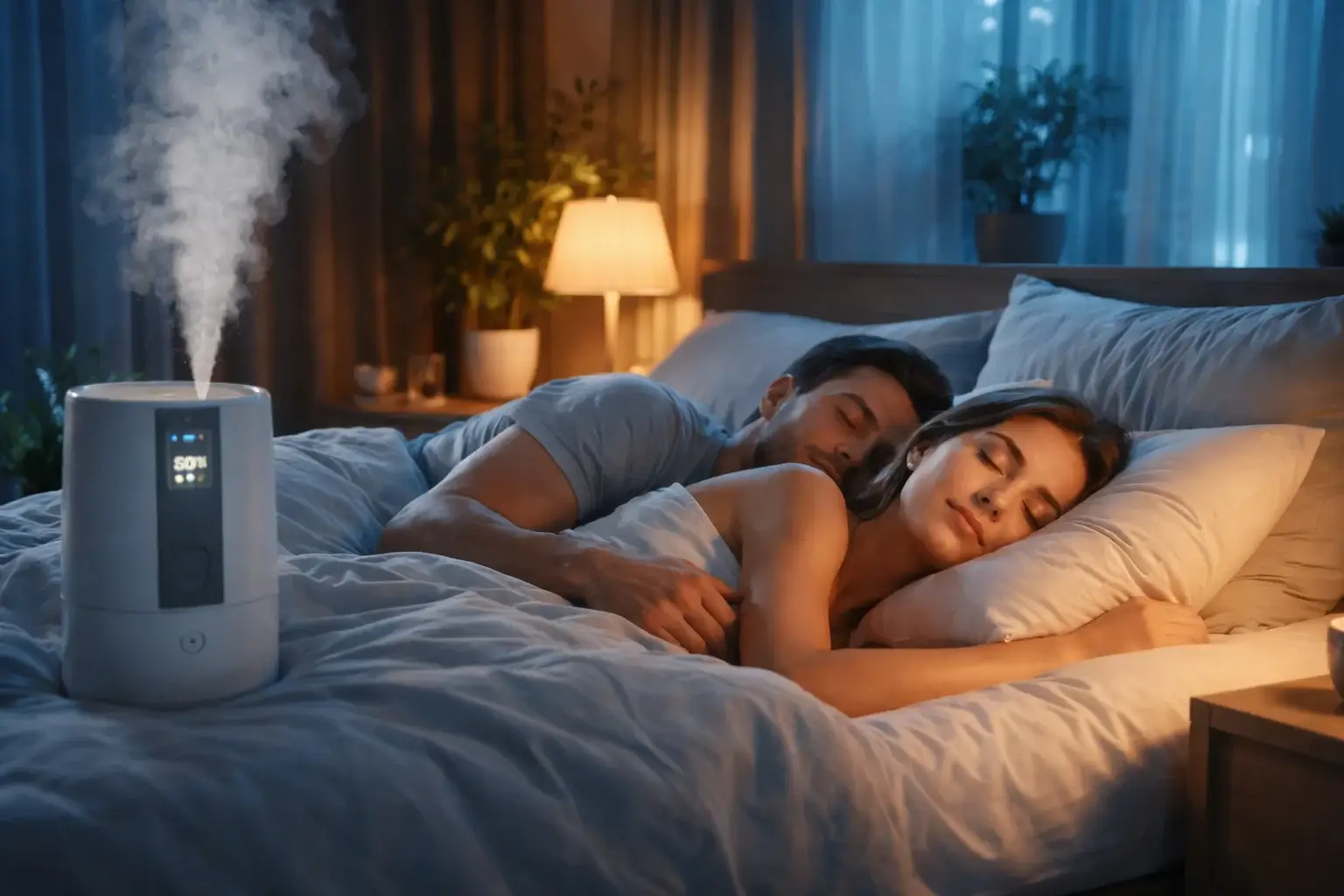
Humidity levels in the air can influence your body’s ability to regulate temperature, affecting your comfort during sleep. Too much humidity can make the room feel stuffy and hot, causing discomfort and potentially disrupting your sleep cycle. On the other hand, too little humidity can lead to dry skin, a scratchy throat, and difficulty breathing, which can also interfere with your sleep. Understanding how to control indoor moisture with a whole-house humidifier or dehumidifier is key to achieving the ideal environment for rest.
Maintaining the right level of humidity not only enhances sleep but also helps in preventing conditions such as dry nasal passages or throat irritation, which are more likely to occur when humidity is too low. This is why it’s important to understand how to control and monitor humidity levels for the most comfortable sleep environment.
The Impact of Humidity on Sleep Quality
High humidity can cause the air to feel warmer than it actually is, making it difficult for the body to cool down during sleep. As your body works harder to maintain a comfortable temperature, it can lead to disturbed sleep. Conversely, low humidity levels can cause dryness in the respiratory tract, leading to congestion and irritation. Finding the balance in humidity can make all the difference in achieving restful sleep. For a personalized solution, you might want to explore the benefits of a custom HVAC installation that addresses your home’s specific humidity needs.
What is the Best Humidity Level for Sleeping?
The ideal humidity level for sleeping is between 40% and 60%. Within this range, the air feels comfortable, and your body can regulate temperature without feeling too hot or too cold. This range helps prevent discomfort from dryness or excessive moisture in the air, creating a balanced environment that supports undisturbed, healthy sleep. To ensure the air in your home remains at these levels, regular inspections and system updates, such as installing a whole-house humidifier or dehumidifier, can help maintain optimal moisture levels throughout the year.
Ideal Humidity Range for Optimal Sleep
While the general recommendation is to keep humidity between 40% and 60%, individual comfort levels may vary. Some people may prefer slightly higher or lower humidity depending on their personal preferences and health conditions. For instance, people with allergies or asthma may benefit from slightly lower humidity to reduce mold and dust mite growth, while others may prefer higher humidity to alleviate dryness in their nasal passages. To further optimize your sleep, you could install a professional HVAC system that is equipped with humidity control features.
It’s important to note that humidity levels can also change with the seasons. During winter, when indoor heating can dry out the air, you might need a humidifier to maintain the ideal humidity. On the other hand, during hot, humid summer months, a dehumidifier can help balance the air for optimal comfort while sleeping. For more customized comfort, you may consider upgrading to a zoned HVAC system that adjusts the humidity levels in different areas of your home.
Creating the Perfect Sleep Environment
To ensure the best sleep, it’s essential to create an environment that supports both the ideal temperature and humidity levels. Here are a few key elements to focus on:
- Maintain optimal humidity levels (40-60%) for better comfort.
- Keep the room dark and quiet to avoid disturbances.
- Use a comfortable mattress and pillows to support sleep posture.
- Ensure the room is properly ventilated to allow airflow.
- Adjust temperature for optimal comfort—typically between 60°F and 67°F (15°C-19°C).
Maintaining the Best Humidity for Sleep
One of the most effective ways to maintain the ideal humidity for sleeping is to use a humidifier or dehumidifier. A whole-house humidifier can help regulate moisture levels throughout the home, ensuring a consistent level of humidity for better sleep. Alternatively, a dehumidifier can help reduce excess moisture in the air, preventing the discomfort caused by high humidity. Investing in AC maintenance services can ensure that these devices are working efficiently throughout the year.
Monitoring indoor humidity levels regularly with a hygrometer is also a great way to ensure that they stay within the optimal range. This tool can help you make adjustments when necessary to maintain a balanced environment for sleep. Additionally, placing plants in the bedroom can naturally help regulate humidity, as they release moisture into the air. If you want more control over your home’s humidity, a professional HVAC repair service might be needed to optimize your system for both temperature and moisture control.
By maintaining the right humidity levels, you can prevent dryness in your airways and skin, which are common sleep disruptors, and enjoy a more restful night.
Ensuring Comfortable Temperature for Sleep
While humidity plays a vital role in sleep quality, temperature is equally important. Keeping the room at a cool temperature—typically between 60°F and 67°F (15°C-19°C)—promotes better sleep by allowing your body to cool down and relax. If the temperature is too warm, it can lead to overheating, making it difficult to sleep, while a room that’s too cold can make it hard to stay comfortable. To find the perfect balance, consider upgrading your system with a zoned HVAC system that allows you to control temperature and humidity independently in different parts of your home.
Achieving the Best Humidity Level for Sleeping
Achieving and maintaining the optimal humidity level for sleeping can be done with the right equipment and regular adjustments. Whether it’s through the installation of humidity control systems or the use of simple devices like portable humidifiers, there are many ways to ensure your sleep environment is perfectly balanced. The key is to assess the room’s needs and make the necessary changes to create the best possible conditions for restful sleep.
If you’re unsure of how to achieve the best humidity level, consulting with a professional HVAC technician can help. They can provide expert advice on the best systems for your home, including recommendations on humidity control devices and how to integrate them with your current HVAC system. If you’re considering a new system, a professional air conditioning replacement might be just what you need to meet your home’s unique humidity and temperature control needs.
Installing and Using a Whole-House Humidifier or Dehumidifier
Installing a whole-house humidifier or dehumidifier is an effective way to control humidity levels throughout the year. These systems work by automatically adjusting the humidity in your home, ensuring that the levels remain within the optimal range for comfortable sleep. Whole-house systems are more convenient and effective than portable units, especially if you have multiple rooms or live in an area with significant fluctuations in humidity. For the best results, pairing this system with regular AC maintenance ensures that both humidity and temperature are constantly regulated.
Upgrading Your HVAC System for Optimal Humidity Control
If you find that managing humidity in your home is a constant challenge, it might be worth considering an upgrade to your HVAC system. A modern HVAC system can provide better control over both temperature and humidity, offering improved comfort and air quality. Here are a few options to consider when upgrading:
| System Type | Description |
| Whole-House Humidifier | A device that adds moisture to the air in your entire home to maintain the right humidity levels. |
| Whole-House Dehumidifier | A system that removes excess moisture from the air to reduce humidity and prevent mold growth. |
| Zoned HVAC System | Allows for independent temperature and humidity control in different parts of the home. |
| Programmable Thermostat | Helps maintain optimal humidity by controlling both temperature and humidity levels based on your schedule. |
Adding a Whole-House Humidifier
Adding a whole-house humidifier to your HVAC system can help ensure that your home maintains consistent humidity levels, especially during the dry winter months. This system works by releasing moisture into the air as needed, keeping your bedroom at the ideal humidity level for restful sleep.
Installing a Whole-House Dehumidifier
If you live in a humid climate, a whole-house dehumidifier can remove excess moisture from the air, preventing mold growth and ensuring your home stays comfortable. This system helps maintain the right balance of humidity, ensuring you can sleep peacefully without feeling stuffy or uncomfortable. Consult with a technician for installation of a dehumidifier that works best with your system.
Zoned HVAC System for Better Humidity Control
A zoned HVAC system provides more precise control over temperature and humidity in different areas of the home. By adjusting the humidity in specific zones, such as the bedroom, you can create a more tailored environment for sleep, which can significantly improve sleep quality. Consider upgrading your system with this feature for personalized comfort.
Maintaining Proper Humidity with a Programmable Thermostat
A programmable thermostat helps you maintain consistent humidity levels by allowing you to set specific temperatures and humidity levels throughout the day. This is particularly useful for ensuring that your home stays within the optimal humidity range while you sleep. With proper scheduling, you can keep the air comfortable and avoid fluctuations that could disrupt your rest.
Investing in a smart thermostat that also tracks humidity can provide even greater control, adjusting the levels automatically based on your preferences and environment. It’s a valuable tool for creating the perfect sleep atmosphere year-round.
Tips for Monitoring and Adjusting Humidity Throughout the Year
To maintain optimal humidity for sleep, it’s essential to monitor the levels throughout the year. Use a hygrometer to keep track of the humidity in your bedroom and adjust it as needed. During the winter months, consider adding moisture to the air with a humidifier, while in summer, a dehumidifier can help remove excess moisture. Regularly check your HVAC system to ensure it’s working effectively and keeping your home within the ideal humidity range for a good night’s sleep. Consider consulting with an expert for regular AC maintenance services to optimize your system.