As winter approaches, many homeowners wonder how to strike the right balance between comfort and energy savings. Setting your thermostat at the optimal temperature is key to keeping your home warm without unnecessarily driving up heating costs. Experts recommend certain temperature ranges and strategies to help you save money while maintaining a cozy living environment throughout the colder months. If you’re unsure whether your current system is working efficiently, it may be helpful to consult a professional who can assess and repair your HVAC setup.
Key Takeaways
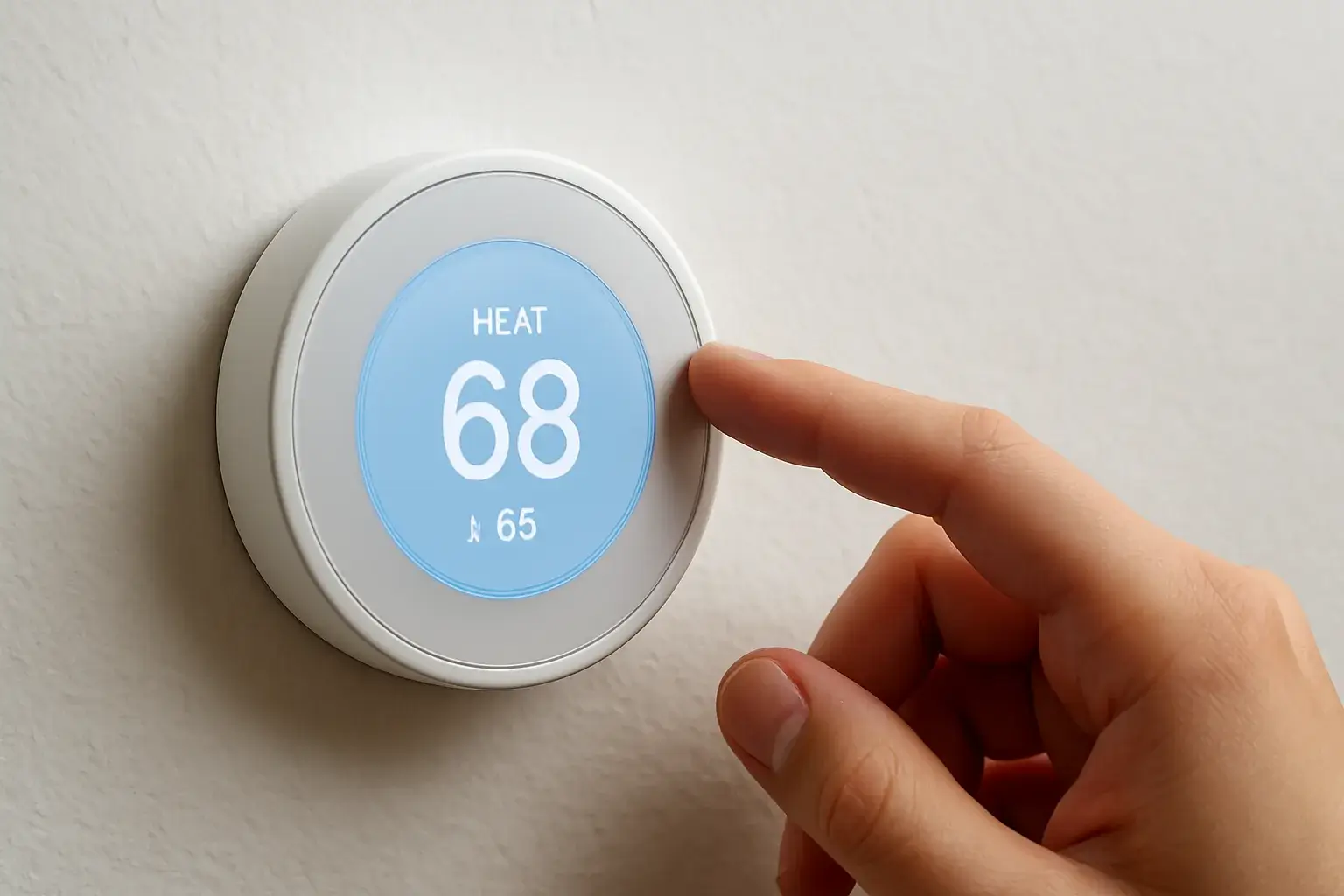
- Setting your thermostat to 68°F (20°C) while awake and lowering it while sleeping can save you significant amounts on heating bills.
- Keep your thermostat away from drafts or heat sources to ensure accurate readings.
- Regularly maintaining your HVAC system improves its efficiency and longevity, reducing overall energy use.
- Investing in a programmable thermostat can help you automatically adjust temperatures for optimal savings without manual adjustments.
- Lowering the heat by just a few degrees can make a noticeable difference in energy consumption and savings.
What’s the Lowest Comfortable Temperature in Winter?
While everyone has their own comfort level, experts agree that the lowest comfortable temperature for most homes during winter is around 68°F (20°C). This temperature provides a comfortable indoor environment while not wasting energy on heating unnecessarily. If you’re at home during the day, this is generally the ideal setting to maintain warmth without overworking your heating system. If you’re concerned about how well your system is operating, having a technician check it out to ensure it’s properly maintaining your home’s temperature could prevent unexpected issues down the line.
However, you may want to lower the thermostat slightly while sleeping or when you’re away from home for extended periods. A drop of a few degrees at night can still maintain comfort while saving a noticeable amount of energy. It’s important to avoid going too low, as overly cold indoor temperatures can lead to discomfort or even potential damage to plumbing in some climates.
Consider using blankets and warm clothing to enhance comfort if you choose to lower the temperature slightly. These simple steps can help maintain warmth without cranking up the thermostat. For maximum savings, it’s also a good idea to turn down the heat when you’re not in a room or when you go to bed for the night. If your system has been underperforming, you might want to look into professional services that specialize in restoring heating systems to peak performance.
What’s the Optimal Thermostat Setting for Winter? Expert Recommendations
Experts recommend setting your thermostat to 68°F (20°C) during the day when you’re at home and active. This temperature is comfortable for most people while avoiding unnecessary heating. If you’re using a furnace, this setting helps maintain efficiency without driving up energy bills. If you’ve recently moved into a new home, it could be a good idea to ensure that your system is properly set up and working efficiently by consulting a professional technician.
At night, or when you’re away for an extended period, it’s recommended to lower the thermostat to around 60°F (15-16°C). This drop may seem small, but it can result in a significant reduction in energy consumption over time. Experts suggest that even a slight adjustment like this can save you up to 10% on your annual heating costs.
If you live in a particularly cold climate, you may find it beneficial to adjust the temperature a little higher to prevent extreme cold from affecting your home’s structure. In that case, setting it to 65°F (18°C) while you’re asleep or away can still yield savings, but provide added comfort and safety. If you’re noticing that your system struggles to maintain temperature, a check-up from a service provider who specializes in repairs could improve its performance.
Where to Position Your Thermostat for Maximum Efficiency
The location of your thermostat plays a critical role in its ability to regulate your home’s temperature accurately. Placing it in the right spot can make all the difference in your system’s efficiency and your energy bills. If you’re uncertain about your system’s placement, contacting a professional for an assessment of its placement could help you get the most accurate readings and improve overall efficiency.
- Avoid placing the thermostat near windows, exterior doors, or drafts, as this can cause it to read the temperature inaccurately and lead to overheating or underheating.
- Install your thermostat on an interior wall, away from direct sunlight or heat sources like radiators and lamps, to ensure it measures the true temperature of the room.
- If possible, place it in a central location in your home where it can get an accurate reading of the average temperature of the space.
- Avoid placing your thermostat near large appliances or electronics that generate heat, such as televisions, ovens, or computers, as they can cause inaccurate temperature readings.
- Don’t install the thermostat in a hallway or near stairways, as these areas tend to have less consistent airflow and may not provide an accurate representation of the room temperature.
- Ensure that the thermostat is placed at least five feet above the floor for accurate readings of the room’s temperature, as heat tends to rise and can be measured incorrectly if the thermostat is too low.
- Keep the thermostat away from vents or registers to avoid interference from warm or cool air blowing directly on it, which can lead to false readings.
- If your home has multiple levels, consider placing a thermostat on each floor or using a smart thermostat with multiple sensors to ensure balanced heating across your home.
Effective Ways to Save on Heating Costs During Winter
There are several effective ways to lower heating costs during the winter months without sacrificing comfort. By taking a few simple steps, you can make your home more energy-efficient and keep your heating system running smoothly, ultimately reducing your energy bills. If you suspect your heating system may not be operating as efficiently as it should, a service that specializes in the maintenance or installation of heating equipment could be a good option.
Change your HVAC filter regularly: A clogged or dirty filter can significantly reduce airflow, forcing your HVAC system to work harder to heat your home. This not only increases energy consumption but can also shorten the lifespan of your system. By replacing the filter every 1-3 months, you’ll improve airflow, enhance system efficiency, and maintain better indoor air quality.
Seal gaps and leaks: Gaps and leaks around windows, doors, and even ducts allow warm air to escape and cold air to enter, making your heating system work harder to maintain a comfortable temperature. Sealing these gaps with weatherstripping, caulking, or spray foam can prevent heat loss, making your home more energy-efficient and lowering your heating costs.
Use draft stoppers and window coverings: Drafts around doors and windows are a major source of heat loss. Draft stoppers placed at the bottom of doors and heavy, insulated curtains on windows can keep the warmth inside.
Optimize your thermostat settings: One of the easiest ways to save on heating costs is to adjust your thermostat settings. Lowering the temperature by just a few degrees when you’re not at home or while you’re sleeping can lead to substantial savings over the winter. Using a programmable thermostat allows you to automatically adjust the temperature based on your schedule, ensuring you only use heat when you need it.
Maintain your HVAC system: Regular maintenance of your heating system ensures it is running efficiently. A well-maintained system uses less energy and performs better. Cleaning your furnace, replacing filters, and scheduling professional service checks help keep your system running smoothly and prevent costly repairs, saving you money in the long run. If you’re unsure about your system’s efficiency, you may want to consult a professional who can evaluate and address any potential issues.
How to Gradually Lower the Heat Setting for Comfort and Savings
If you’re accustomed to keeping your home at higher temperatures during winter, it can be difficult to make the adjustment to a lower setting. However, you can gradually lower the heat over time to help your body adapt.
Start by lowering the thermostat by just 1-2 degrees each day or every few days until you reach your target temperature. This gradual change helps minimize the discomfort of a sudden drop and allows your body to adjust without feeling cold.
Routine Thermostat and HVAC System Maintenance You Shouldn’t Skip
Maintaining your thermostat and HVAC system is essential for energy efficiency and cost savings during the winter months. Regular maintenance can extend the life of your system and prevent costly breakdowns. If you use a heating system that requires specific care, like oil-based heaters, booking a maintenance appointment with a qualified technician could ensure your system remains in top condition.
- Schedule annual maintenance for your HVAC system, including a professional inspection and cleaning.
- Change your air filters every 1-3 months, depending on the type of filter and usage.
- Check your thermostat for accuracy and recalibrate if necessary to ensure it’s providing the correct temperature readings.
Why You Should Consider Switching to a Programmable Thermostat
One of the best investments you can make for winter energy savings is installing a programmable thermostat. These devices allow you to set specific temperature schedules for different times of day, ensuring that your home is only heated when needed.
With a programmable thermostat, you can automatically lower the temperature when you’re sleeping or away, and raise it just before you return home, ensuring you never waste energy. Many models even offer remote control options via smartphone apps, providing flexibility and control over your home’s heating even when you’re not around.
Additionally, a programmable thermostat can help reduce the wear and tear on your HVAC system by ensuring it operates only when necessary. This not only saves energy but can also extend the lifespan of your heating system, potentially saving you money on repairs and replacements in the long run.